

More Than a Manufacturer: The Technical Support Behind Every SPC Product
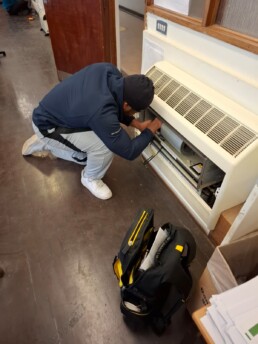
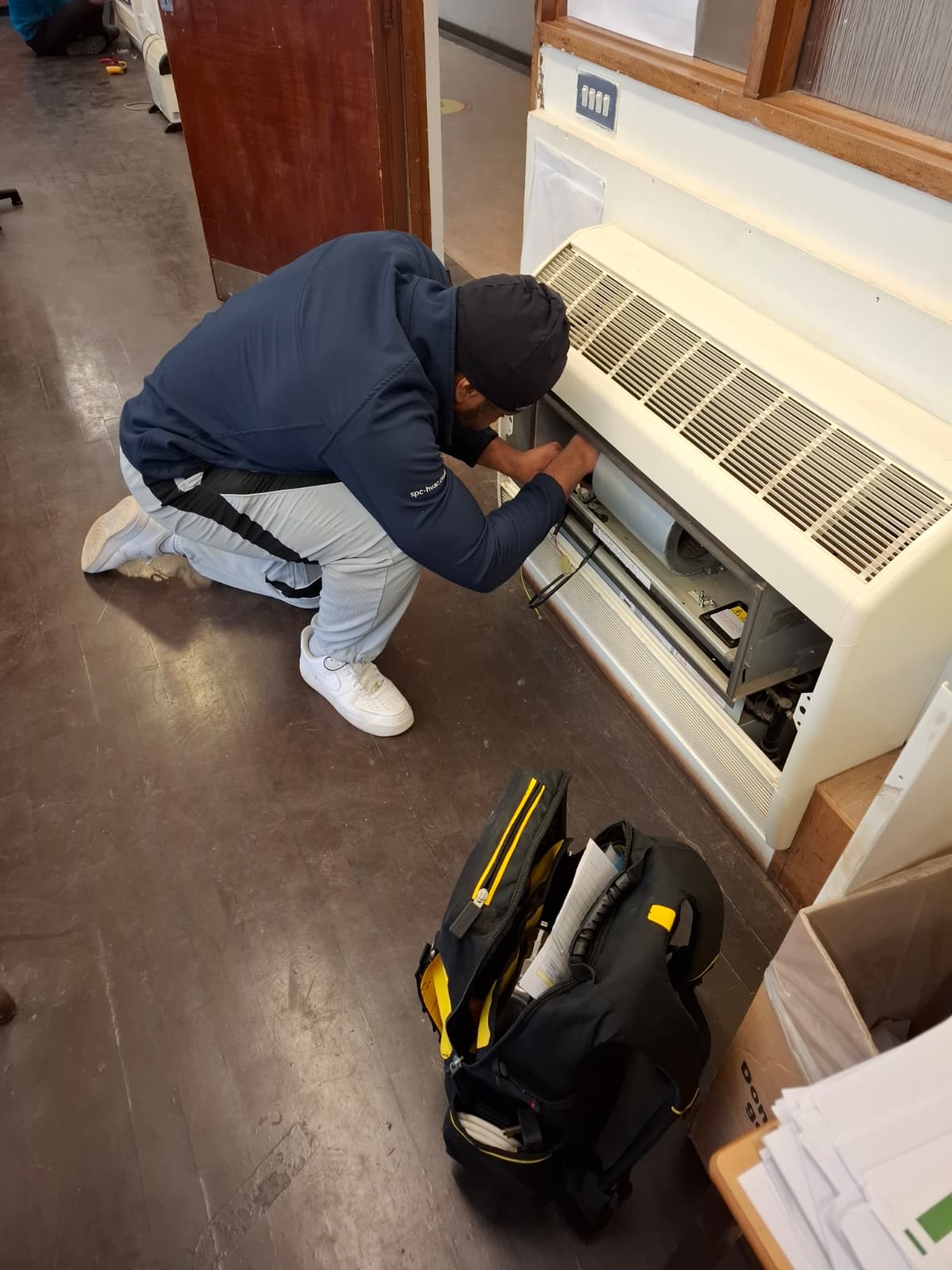
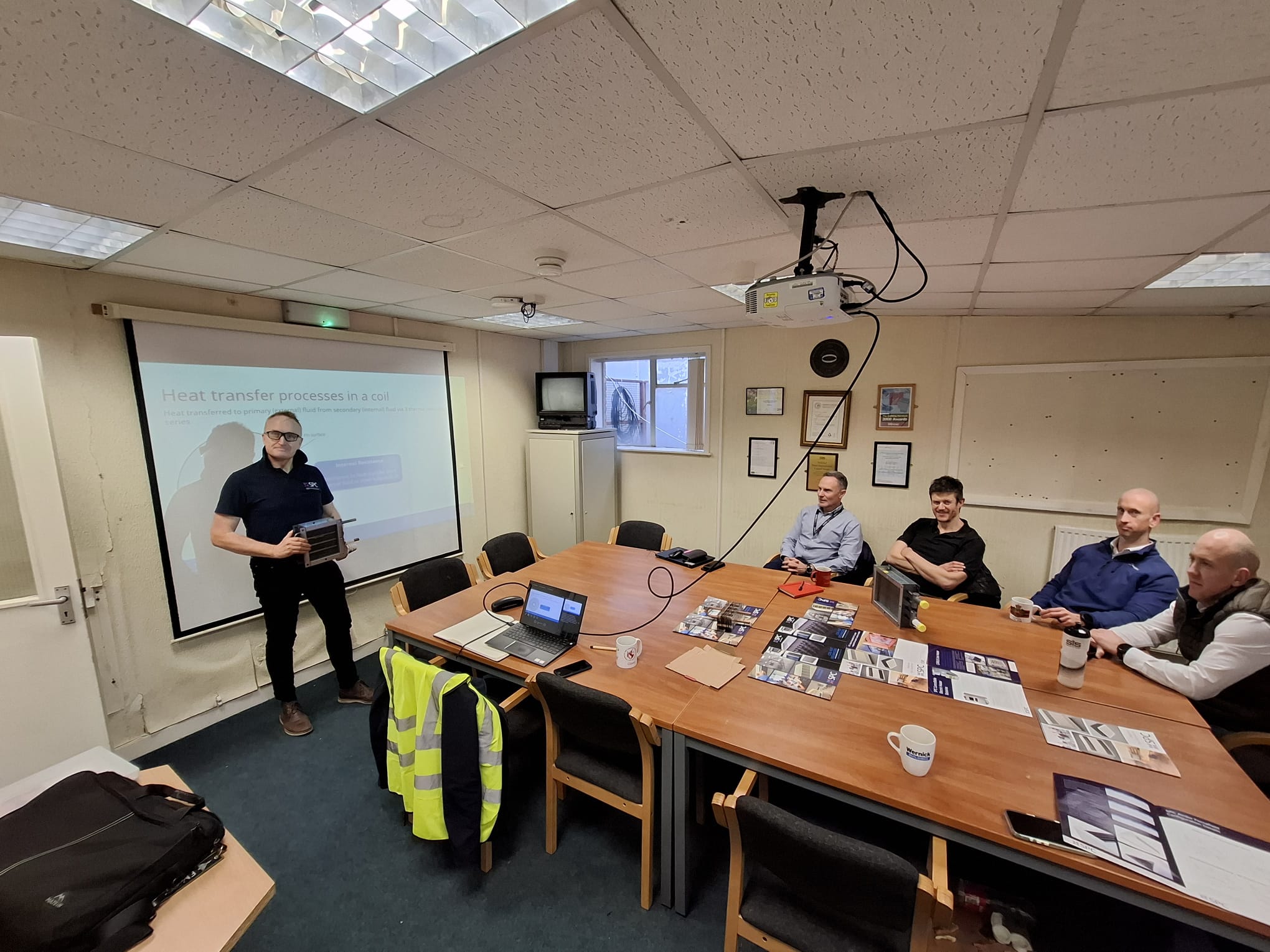
When you specify or install SPC products, you’re not just buying heating and cooling equipment. SPC’s sales and technical team provide support at every stage of a project, from pre-specification site surveys and application advice, through to on-site installation guidance and post-installation troubleshooting.
For contractors, consultants, and facilities managers working on live projects, that kind of hands-on involvement can be the difference between a smooth programme and an avoidable delay.
What Does SPC's Technical Support Include?
SPC’s support offer covers three stages of a project.
Before specification, Area Sales Managers can attend site to advise on product selection, application suitability, and design considerations. This is particularly useful on complex projects, such as a hospital refurbishment with strict LST requirements, a warehouse with unusual ceiling heights, or a school building where installation needs to fall within a short holiday window.
During installation, our teams are on hand to answer questions and provide guidance. In some cases, our Area Sales Managers or technical team may visit site to see how things are progressing. This is part of how SPC builds long-term working relationships.
After installation, support continues if questions arise in the field. The same people who know the products are available to provide guidance, not a generic helpline.
This applies across SPC’s full product range: Fan Convectors, Radiant Heating and Cooling Panels, Heating and Cooling Coils, Trench Heating and Cooling, Air Curtains, and Unit Heaters.
Why Does It Matter Who Supports You After the Sale?
Manufacturers who operate at arm’s length can leave contractors and consultants carrying problems that shouldn’t fall solely to them. With SPC, the team that knows the products is the team that shows up on site.
That means faster answers, more accurate advice, and fewer delays on site, regardless of whether the project is a commercial office fit-out, a school heating upgrade, or an industrial installation.
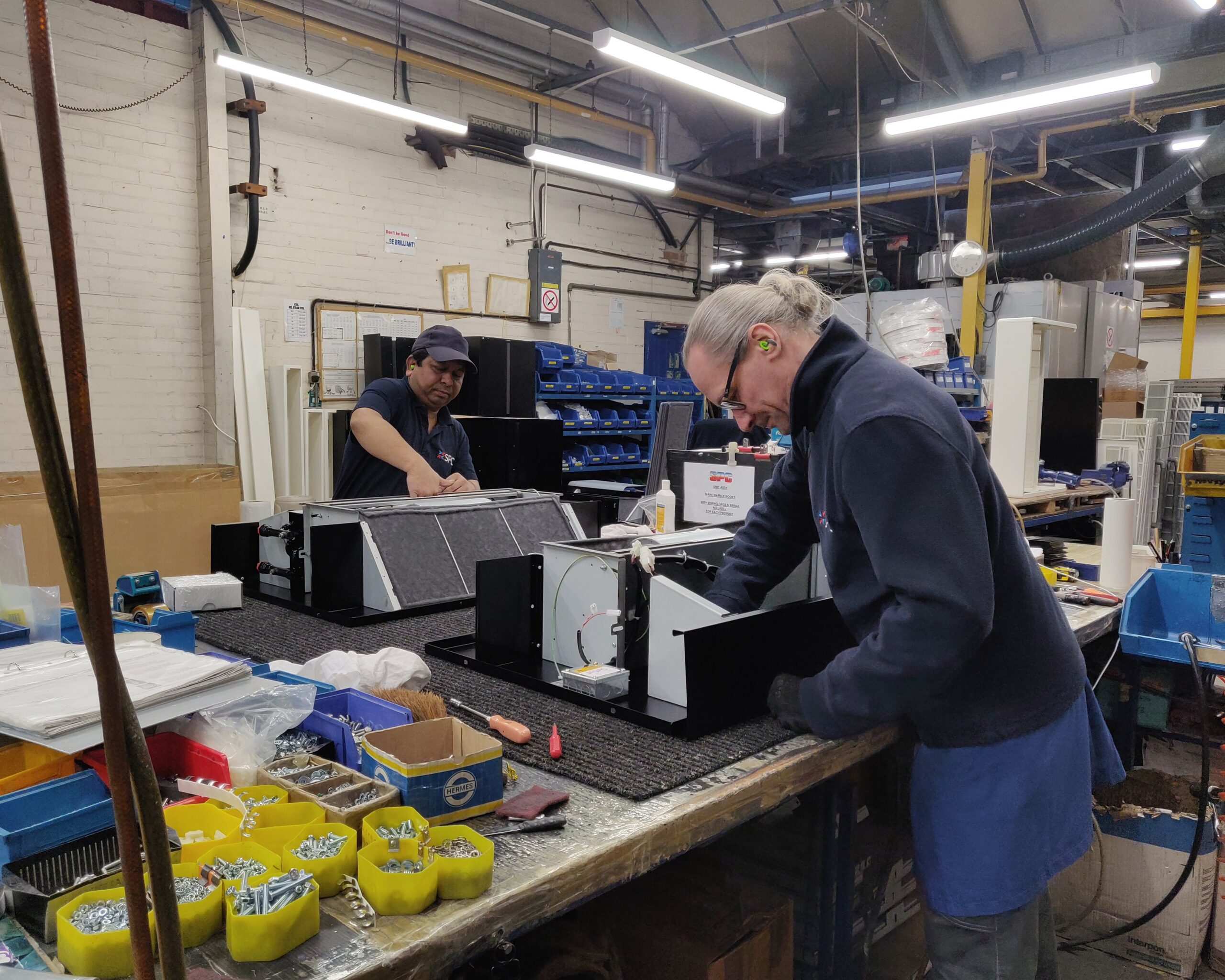
SPC has been manufacturing HVAC products in Leicester for over 50 years, and our technical support offer is an extension of that: the same standards of quality applied not just to the products, but to the relationship.
Frequently Asked Questions
SPC’s sales and technical team are available throughout a project to answer questions, provide application guidance, and advise on product selection. Support can range from remote guidance to an ASM visiting site where the relationship and circumstances make it useful, but the focus is on being genuinely accessible and knowledgeable.
Yes. SPC’s Area Sales Managers can visit site ahead of specification to assess the application, advise on the most suitable product from the range, and identify any design or installation considerations. This service is available across all SPC product families.
Support is available across all SPC product ranges, including fan convectors, radiant panels, heating and cooling coils, trench heating, air curtains, and unit heaters.
SPC has Area Sales Managers covering territories across the UK, including the South West and Wales, London and the South East, the Midlands and East Anglia, and the North West and Yorkshire. On-site support is available nationally.
Many manufacturers provide support only at the point of sale or through a generic technical helpline. SPC’s approach is different: the same team that knows the products is available to answer questions throughout a project, and in some cases, where the relationship warrants it, an Area Sales Manager may visit site to see how an installation is progressing. It’s a more personal, knowledgeable partnership than most manufacturers offer.
Talk to the Team
Whether you’re at the specification stage or dealing with a question on a live project, SPC’s team is ready to help. For further guidance on specifying HVAC products, the Chartered Institution of Building Services Engineers (CIBSE) publishes technical guidance relevant to heating and cooling system design at cibse.org.

How to Heat a Warehouse, Factory or Workshop: Three Key Considerations
Selecting the right industrial heating system for a warehouse, factory, or workshop depends on getting three things right: managing heat stratification in high-ceilinged spaces, controlling heat loss through loading bays and open doors, and deciding whether to heat the full air volume or deliver warmth directly to the occupied zone. SPC has been manufacturing heating and cooling products for over 50 years, and these are some factors that determine whether an industrial heating installation performs well or wastes energy.
Why does ceiling height affect industrial heating performance?
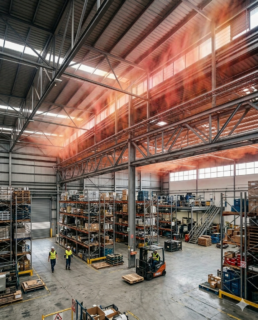
In high-bay buildings, warm air naturally rises and stratifies near the roof, well away from the people and processes that need it. The result is that a significant proportion of the energy going into the system ends up heating unoccupied space at height, while the floor-level working zone remains cold.
The right industrial heating system needs to either deliver heat directly to the occupied zone, or generate enough air momentum to overcome stratification and push warmth down to where it is needed. This is one of the primary reasons products designed specifically for industrial environments differ from standard options.
How do loading bays and roller shutter doors affect heat retention?
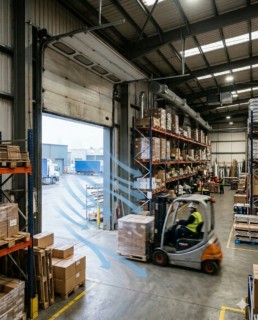
Loading bays, roller shutter doors, and natural ventilation create a constant drain on any industrial heating system. Every time a large door opens, conditioned air escapes and cold air enters. In buildings with regular vehicle or forklift traffic, this can happen dozens of times a day and significantly increase the energy required to maintain a stable working temperature.
Reducing heat loss at the point of entry is one of the most effective ways to improve overall system efficiency. Industrial air curtains are specifically designed for this role, creating a high-velocity air barrier across the doorway that limits the exchange of internal and external air without obstructing access.
SPC’s iForce Industrial Air Curtain is available in ambient, LPHW, and electric versions and protects openings up to six metres in height, making it suitable for large warehouse loading bays where standard commercial air curtains are undersized.
Is it always necessary to heat the entire air volume of an industrial space?
In many industrial buildings, the answer is no. Heating the full air volume of a large, high-ceilinged space is energy-intensive and, in some environments, impractical. Radiant heating takes a different approach: rather than warming the air, radiant panels emit infrared radiation that warms surfaces and occupants directly; the same principle as the warmth you feel from sunlight on a cold day. The air temperature may be low, but the radiant heat reaching you feels warm. This makes radiant heating particularly effective in spaces where the air volume is large relative to the occupied area, or where air movement needs to be minimised.
Frequently Asked Questions
In high-bay spaces, the main challenge is stratification: warm air rising to roof level and away from the occupied zone. Unit heaters with powerful fans can project warm air across large spans at height, while radiant panels deliver heat directly to occupants and surfaces without relying on air circulation. The right choice depends on ceiling height, occupancy pattern, and whether air movement in the space is acceptable.
Yes. SPC’s industrial radiant panels operate effectively at low flow temperatures, making them well suited to heat pump systems. CiRRUS unit heaters can also be specified with coil configurations suited to LTHW systems, though outputs will vary depending on coil row count and airflow. Air curtains are also available with enhanced heat exchanger options suited to condensing boilers and heat pump systems. Contact SPC’s technical team for guidance on system selection for heat pump-connected installations.
Industrial air curtains create an air barrier across open doorways that significantly reduces the volume of warm internal air escaping and cold external air entering. In buildings with high door-opening frequency, this can meaningfully reduce the load on the main heating system. Units are available in ambient (no heat), LPHW, and electric versions, so they can be integrated into existing systems or specified as standalone installations.
Yes. The CiRRUS Unit Heater supports BMS integration via 0-10V or BACnet, and the iForce Industrial Air Curtain can be connected to door contactors with delay relays for automatic operation. SPC’s technical team can advise on control strategies for individual projects. Contact us on 0116 249 0044 or at spc@spc-hvac.co.uk.
SPC Industrial heating products
SPC manufactures three product ranges designed specifically for industrial environments:
Our Industrial Radiant Panels use water-based radiant heating with anti-convective edge profiles that deliver 81% radiant output. Individual modules extend to six metres, with panel runs of up to 70 metres suitable for large industrial bays and aircraft hangars.
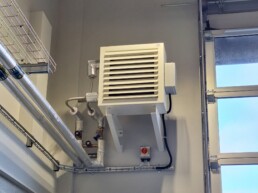
Our CiRRUS Unit Heaters use a powerful axial fan to project warm air into the space. The Ci8 delivers a throw of up to 27 metres at high speed and can be mounted at heights of 2.5 to 6 metres. Available with LPHW water coils; an electric version is also available as the Ci5.
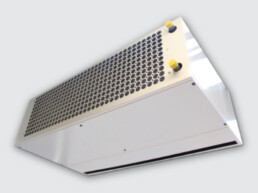
Our iForce Industrial Air Curtains protect doorway openings up to six metres in height. Available in ambient, LPHW, and electric versions, including a three-row coil option suited to condensing boilers and heat pump systems.
Planning an Industrial Heating Project?
Whether you’re specifying radiant panels for a high-bay space, unit heaters for a factory floor, or air curtains for loading bay doors, our team can advise on system selection, sizing, and configuration.
What Is the Thermatile TEN-TWELVE and Which Installation Type Do You Need?
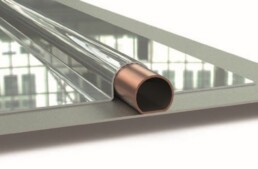
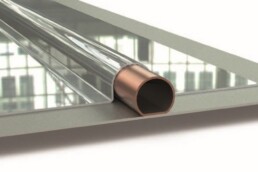
SPC’s Thermatile TEN-TWELVE is a water-based radiant heating and cooling panel range designed for integration into suspended ceilings. The range consists of two panel types: the Thermatile TEN, which uses 10mm copper D-tube technology for individual panels and shorter runs up to 3,600mm, and the Thermatile TWELVE, which uses 12mm copper D-tube for longer continuous runs where maintaining manageable pressure drops is essential.
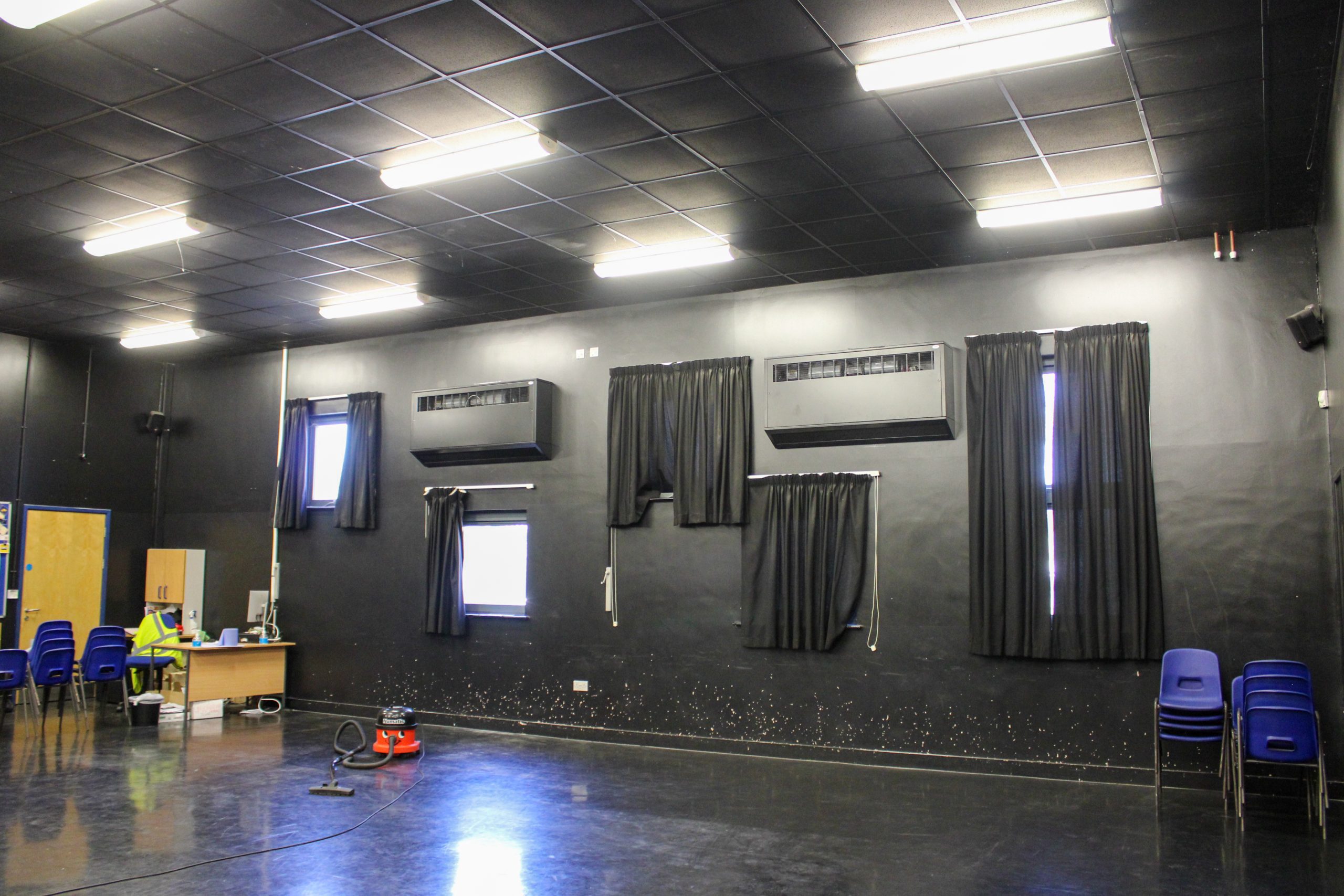
Both share an identical smooth, matt white room-facing finish, so panels from either type can be mixed within the same space. Panels are also available in any RAL colour to suit interior design requirements, including black panels for drama studios or spaces where aesthetics are a key consideration.
What is the difference between the Thermatile TEN and the Thermatile TWELVE?
The names refer directly to the copper tube diameter used inside each panel’s heating cartridge.
Thermatile TEN
The Thermatile TEN uses 10mm D-tube technology. The D-tube design involves flattening a circular copper tube to maximise contact between the tube and the aluminium panel, resulting in 360° contact and high heat transfer performance. This makes the Thermatile TEN ideal for individual panels and runs up to 3,600mm, where the smaller tube diameter ensures turbulent water flow and efficient heat transfer.
Thermatile TWELVE
The Thermatile TWELVE uses 12mm D-tube and is the preferred option when panel runs exceed 3,600mm. The larger tube diameter keeps pressure drops at manageable levels across extended configurations. Individual Thermatile TWELVE panels are connected together using push-fit interconnecting hoses to form continuous runs of any length.
Both panel types are built on the same 3-layer composite aluminium panel (maximum 5.5mm thick), and both are independently tested to EN 14037. The maximum operating temperature is 85°C, and the maximum operating pressure is 10 bar (tested to a minimum of 16 bar). SPC’s in-house selection software automatically determines whether TEN or TWELVE panels are required, based on run length and water flowrate.
What installation types are available for the Thermatile TEN-TWELVE?
The Thermatile TEN-TWELVE is available in various installation configurations, designed to suit the ceiling systems most commonly found in commercial and public sector buildings.
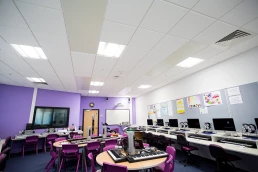
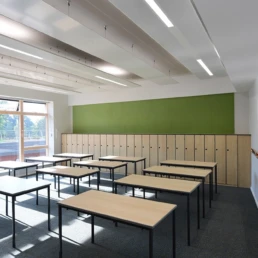
T-Bar Grid – The standard configuration. Panels are sized to fit directly into the aperture created when one or more tiles are removed from an exposed T-bar suspended ceiling grid. Panels are supported on independent wire hangers, with SPC’s hanging wire kits providing easy single-handed height adjustment via discreet 1.5mm stainless steel wire.

Plasterboard – For projects where radiant panels need to be inserted into a finished plasterboard ceiling, this version uses a pre-fitted frame that is screwed into a supported aperture. Where repeatable access is required, for maintenance or system changes, a two-part frame with push-fit locking is also available.
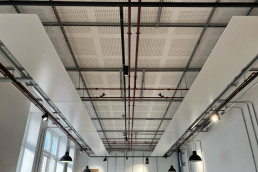
Free-Hanging – Panels can be suspended freely from a structural soffit using wire or rod suspension systems, suitable for spaces without a suspended ceiling, such as open-plan offices, atria, or industrial environments.
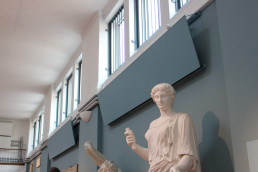
Wall-Mounted / Angled Panels – Where ceiling installation isn’t possible or practical, panels can be wall-mounted at an angle using brackets, directing radiant heat down into the occupied zone below.
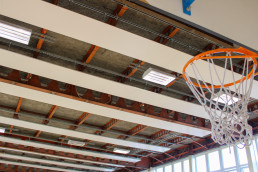
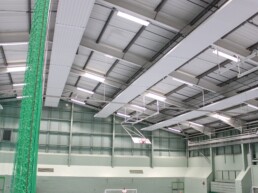
Sportsline Panels – A configuration designed specifically for sports halls and gymnasiums. Ball guards are fitted over the panels to protect them from impact, making this the recommended installation type for high-activity environments.
Need custom RAL coloured panels?
SPC can manufacture Thermatile TEN-TWELVE panels in any RAL colour to suit your project. Whether you need black panels for a drama studio, a colour matched to an interior scheme, or something more distinctive! Get in touch with the team to discuss your requirements.

Frequently Asked Questions
The Thermatile TEN uses 10mm copper D-tube and suits individual panels and runs up to 3,600mm. The Thermatile TWELVE uses 12mm copper D-tube for longer continuous runs, where the larger diameter keeps pressure drops manageable. SPC’s selection software automatically determines which type is required. Both have the same visible finish and can be mixed within a single installation.
Yes. Both panel types work effectively at low water temperatures, typically 45–50°C, which is the normal operating range for heat pump systems. Their large surface area allows them to deliver meaningful heat output at these temperatures, making them more suitable for heat pump applications than radiators, which typically require higher flow temperatures.
Yes. Both Thermatile TEN and TWELVE panels can provide radiant cooling by circulating chilled water instead of hot water. For cooling applications, the panel surface temperature must be controlled to prevent condensation, typically requiring either a dehumidification system or careful chilled water temperature management. Contact SPC’s technical team for cooling system design guidance.
SPC’s zone control kit includes a Belimo valve and actuator, digital thermostat, and black bulb temperature sensor. The black bulb sensor measures resultant temperature, a combination of air and radiant temperature, which is a more accurate indicator of occupant comfort in radiant-heated spaces. Multiple panels can be controlled as a single zone, and the system can be integrated with a BMS for centralised control.
Yes. Active BIM objects are available for Revit, pre-populated with project-specific data from SPC’s selection programme, covering configurations and specifications for architects, designers, and contractors.
Specify the Thermatile TEN-TWELVE for Your Next Project
SPC’s technical team can support your Thermatile specification from initial design through to installation — including site surveys, selection software outputs, and full technical drawings provided with every quotation.

Do You Still Need an Air Curtain When the Weather Warms Up?
As temperatures climb during spring, many industrial facilities scale back their heating, but that doesn’t mean doorway protection should stop. Open or frequently used doorways still allow conditioned air to escape, cold draughts to enter, and insects and pollutants to get in.
SPC iForce Industrial Air Curtains create a high-velocity air barrier across doorways up to 6 metres in height, and are available in ambient, electric heated, and LPHW heated configurations to suit year-round requirements.
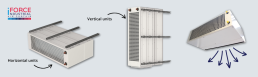
What Does an Industrial Air Curtain Do?
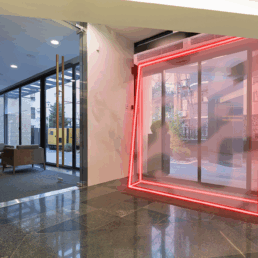
An air curtain discharges a continuous sheet of air across an open doorway, creating an invisible barrier that prevents air exchange between inside and outside. Unlike a physical door, it doesn’t interrupt the movement of people, vehicles, or goods — making it well suited to warehouses, distribution centres, and manufacturing facilities where large doors are in constant use.
Key benefits for industrial spaces:
- Prevents warm conditioned air from escaping through open doorways
- Reduces cold air ingress and draughts at floor level
- Acts as a barrier against insects, dust, and airborne pollutants
- Keeps operations running without the need to open and close physical doors
Choose the Right iForce Configuration for Your Site
Ambient Units
Ambient iForce units provide a powerful air barrier without any heating. They draw in room-temperature air and project it across the doorway as pure climate separation. Ideal for temperature-controlled environments, or wherever doorway heating isn’t required.
Electric Heated Units
Electric iForce units add two-stage heating output to the air barrier, using nickel chromium resistance elements; ideal where a direct electric supply is preferred over a hot water circuit
LPHW Heated Units
The most versatile option. LPHW (Low Pressure Hot Water) units connect to your building’s hot water system and are available with a 2-row coil for conventional boilers or an enhanced 3-row coil for condensing boilers and heat pump systems — making them compatible with low-carbon and decarbonisation strategies.
iForce: Built for Industrial Environments
Across all three configurations, the iForce is designed for heavy-duty, demanding sites:
- Doorway protection up to 6 metres in height
- Available in widths of 1.5m, 2.0m, and 2.5m — side-by-side or stacked to suit any opening
- Horizontal mounting above the door or vertical mounting along the sides
- High-efficiency EC motors with 0–10V speed control
- Heavy-gauge powder-coated steel casing with extruded aluminium outlet grille
- BMS and BACnet compatible for centralised control
- Supports door contactor input and master/slave arrangements
Frequently Asked Questions
An ambient unit creates an air barrier using room-temperature air, providing no heating. Heated units (electric or LPHW) add warmth to the air stream. If you need flexibility across seasons, specify a heated variant; ambient units cannot be upgraded to provide heat.
Yes. The LPHW iForce is available with a 3-row enhanced coil designed for lower flow temperatures, making it compatible with heat pump and condensing boiler systems.
Units are available in 1.5m, 2.0m, and 2.5m widths and can be installed side-by-side to cover any doorway width. For openings taller than a single unit, units can be stacked or mounted vertically.
Yes. All iForce units support BMS and BACnet integration, door contactor inputs, and master/slave control for multi-unit installations.
Yes, if you have open or frequently used doorways. Even without cold weather, an air curtain provides climate separation, pest control, and prevents conditioned air from escaping, so the benefits remain year-round.
Specify an iForce Industrial Air Curtain for Your Site
Need help choosing the right configuration or sizing for your doorway? Our team is happy to advise.
Why Should You Book a Site Survey for Your Heating Project?
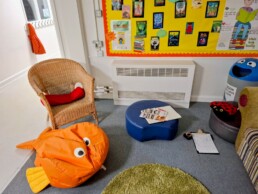
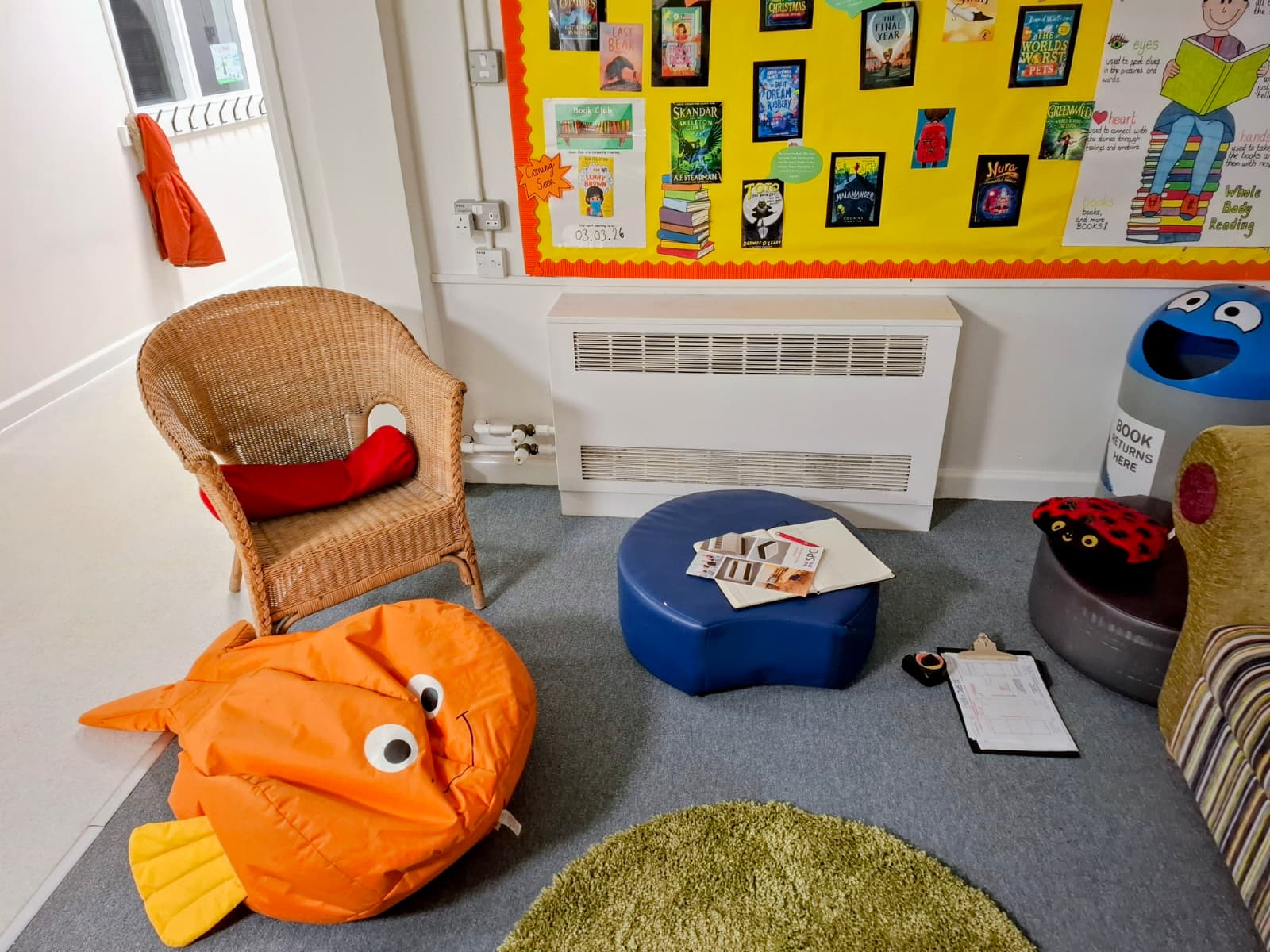
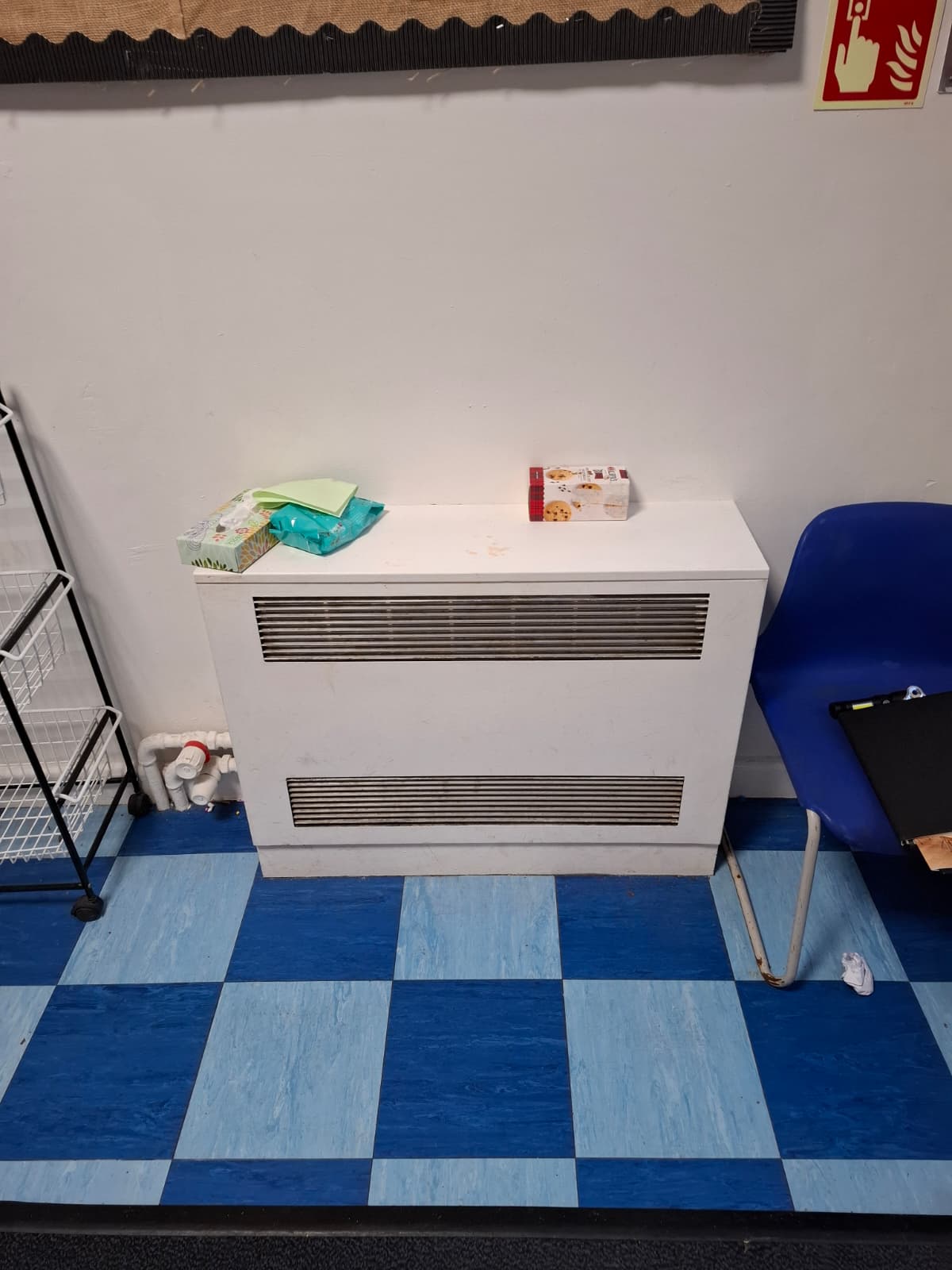
At SPC HVAC, our Area Sales Managers conduct site surveys across the UK to help specifiers, contractors, and facilities managers find the right heating solution for their building. Whether you're modernising outdated fan convectors in a school or specifying heating for a new healthcare facility, a site survey ensures you get expert recommendations tailored to your specific project requirements.
What Does an SPC Site Survey Include?
Our experienced Area Sales Managers assess your space, evaluate existing systems, and provide detailed product recommendations based on your building’s needs.
Assessment of Existing Systems
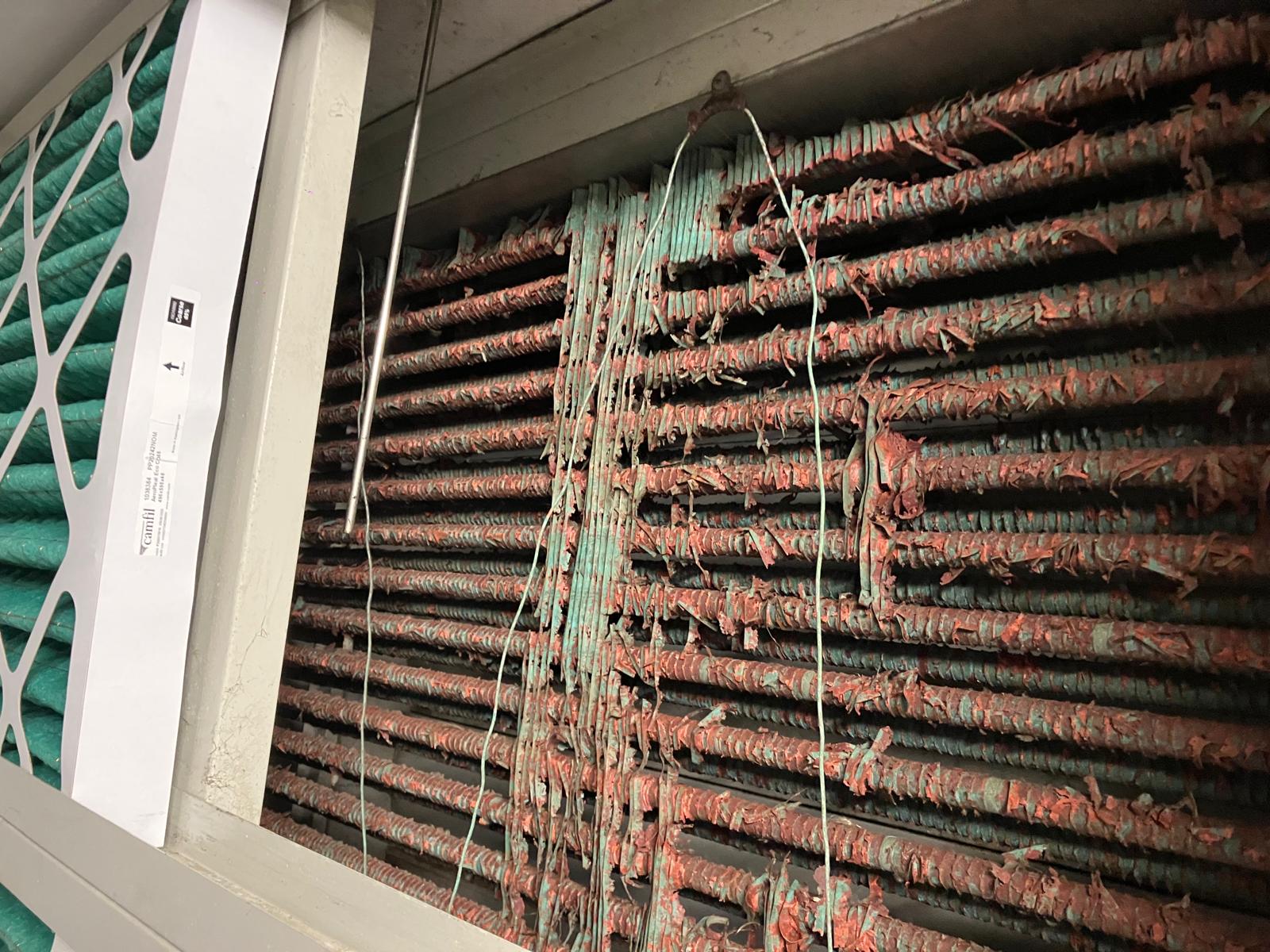
We evaluate current heating equipment to identify inefficiencies, outdated units, or opportunities for modernisation. Many buildings still operate fan convectors or heating systems installed decades ago. While these may still function, they’re often inefficient, noisy, and incompatible with modern low-temperature heating systems or heat pumps.
Space and Application Evaluation
Understanding your building’s requirements is crucial. We assess:
- Room dimensions, ceiling heights, and mounting options (floor, wall, ceiling)
- Usage patterns and occupancy (classrooms, wards, offices, leisure spaces)
- Aesthetic requirements and integration with interior design
- Noise sensitivity (particularly critical in schools, libraries, healthcare, and offices)
Tailored Product Recommendations
Based on our assessment, we recommend the most suitable products from our range:
- Fan Convectors – Belgravia Supreme, Classic, Tilevector Solo/Duo/Plus
- Radiant Panels – Thermatile TEN-TWELVE and Thermatile Electric
- Trench Heating – Metropolitan range for perimeter heating
- Air Curtains – AIRDOR Forcefield and iForce Industrial
- Unit Heaters – CiRRUS range for warehouses and industrial spaces
- Heating & Cooling Coils – bespoke coils for AHU and plant room applications
We explain why each product suits your application, provide technical specifications, and support your decision-making with manufacturer-direct expertise.
Which Sectors Benefit from Site Surveys?
Our site survey service supports projects across all commercial, industrial, and institutional sectors:
Education – schools, colleges, universities, training centres
Healthcare – hospitals, care homes, medical centres, clinics
Offices – corporate buildings, business parks, co-working spaces
Leisure – gyms, sports centres, swimming pools, recreation facilities
Public Buildings – libraries, community centres, council offices
Places of Worship – churches, mosques, temples, synagogues
Retail & Hospitality – shops, showrooms, hotels, restaurants, conference venues
Industrial – warehouses, factories, distribution centres, workshops
No matter your sector or building type, our Area Sales Managers bring practical HVAC expertise directly to your project.
Why Book a Site Survey with SPC HVAC?
Tailored Product Recommendations
As manufacturers with over 50 years’ experience, we have in-depth technical knowledge of our products and can provide specification support that third-party suppliers cannot match.
Nationwide Coverage
Our Area Sales Managers cover the entire UK, providing local support wherever your project is located.
Expert Consultative Service
We’re committed to helping building services professionals find the right solution, providing honest advice and practical recommendations based on decades of industry experience.
Support Throughout Your Project
From initial survey to specification, quotation, and post-installation support, we’re with you every step of the way.
Frequently Asked Questions
Most site surveys take 1-2 hours (or longer), depending on the size and complexity of the building. Our ASMs work around your schedule to minimise disruption.
Site survey costs vary depending on the project scope, location, and client relationship. Contact us to discuss your specific requirements.
Any existing drawings, specifications, or details about your heating requirements are helpful but not essential. Our ASMs will assess the space and discuss your needs during the visit.
We have Area Sales Managers covering the entire UK. Contact us to find your local ASM and arrange a visit.
You’ll receive detailed product recommendations, technical specifications, and a quotation. Our team continues to provide support throughout your project, from specification to installation and beyond.
Book Your Site Survey Today
Our Area Sales Managers are ready to visit your site and provide expert heating recommendations tailored to your project.

Why Industrial Unit Heaters Excel in Warehouses and Factories
Heating large industrial buildings, from warehouses to workshops and garage spaces, presents unique challenges. High ceilings, frequent door openings, air changes and varied layouts make traditional heating systems inefficient or costly.
That’s where Unit Heaters shine: compact, versatile and designed to deliver effective warmth exactly where it’s needed.

What Makes Unit Heaters Ideal for Industrial Heating?
Fast, Efficient Heat Distribution
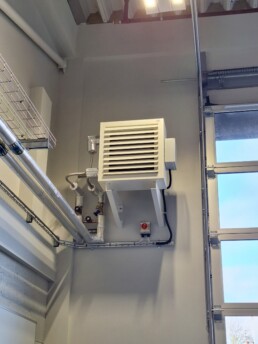
Industrial Unit Heaters use powerful fans to distribute warm air quickly and evenly throughout the space. In high-ceiling environments like warehouses and service bays, this helps reduce heat stratification and maintains comfortable working conditions on the ground level.
Flexible Installation
Whether mounted horizontally on a wall or suspended vertically from the roof, Unit Heaters adapt to the layout of your space. This flexibility makes them suitable for:
- Large open warehouses
- Garages and workshops
- Loading bays
- Manufacturing facilities
- Back-of-house retail areas
Energy Efficient and Cost-Effective
Unit Heaters are designed to work efficiently even with low-temperature systems such as heat pumps, aligning with business decarbonisation goals and helping to reduce operating costs over time.
Durability for Tough Environments
Industrial spaces demand robust heating solutions. Unit Heaters are built with strong steel construction and heavy-duty components so they stand up to challenging conditions day in, day out.
SPC CiRRUS Unit Heaters – Performance You Can Rely On
SPC’s CiRRUS range has been engineered specifically for industrial applications with features that set them apart:
- Multiple Heating Options: Available in LPHW, LTHW and electric configurations to suit different building energy systems and decarbonisation strategies.
- High Heat Output: Designed to generate powerful heat quickly and efficiently
- Overhead Installation: Frees up valuable floor space – perfect for busy warehouse operations or maintenance bays
- Zonal Heating Control: Target specific areas to avoid heating unoccupied zones and reduce energy waste
- Robust Build Quality: Engineered to withstand industrial environments while delivering reliable performance
Together, these benefits make CiRRUS Unit Heaters an excellent choice when compared with other industrial heating brands, each of which offers heavy-duty unit or warm air heaters for commercial spaces but may not match the combination of flexibility, efficiency and control that CiRRUS Unit Heaters provides.
Choosing the Right Unit Heater for Your Space
When specifying industrial heating solutions, consider:
- Fuel type: Electric, LPHW or LTHW depending on energy availability and decarbonisation goals
- Mounting height and airflow direction: Choose horizontal or vertical configurations to suit your facility’s layout
- Control integration: BMS compatibility helps optimise energy use across zones
SPC Industrial Heating Solutions offers expert guidance on selecting and specifying the right CiRRUS Unit Heater for your project. Speak to our team to discover how we can tailor a solution to maximise comfort, efficiency and performance in your industrial space.
Modern Heating Solutions for UK Schools and Educational Buildings
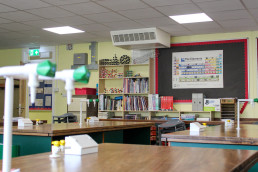
Heating in schools isn’t just about keeping spaces warm. It plays a direct role in comfort, wellbeing and how effectively pupils and staff can use learning environments throughout the day.
With many schools now upgrading their buildings, improving energy performance and preparing for low-carbon heating systems, the way classrooms are heated is changing. At SPC, we support education projects across the UK with heating solutions that are efficient, adaptable and ready for the future.
Designing Heating Systems That Work for Schools
Comfortable classrooms, every lesson
School buildings are used differently from most commercial spaces. Classrooms may be unoccupied one period and full the next, meaning heating systems need to respond quickly without running continuously.
Fan convectors are well suited to this pattern of use. By delivering heat rapidly and distributing it evenly, they help classrooms reach comfortable temperatures when needed, without unnecessary energy consumption during quieter periods.
Supporting the shift to low-carbon heating
As part of wider sustainability targets, many schools are moving away from traditional high-temperature heating systems and towards heat pumps and low-temperature water systems.
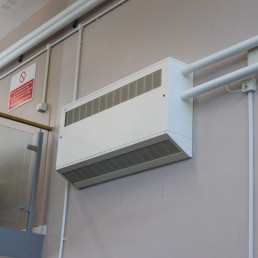
Standard radiators are often less effective in these applications, requiring higher flow temperatures to deliver sufficient output. SPC Fan Convectors are designed to perform efficiently at lower water temperatures, making them a practical option for both new-build schools and refurbishment projects where heat pumps are being introduced.
This allows schools to reduce energy use and carbon emissions while maintaining reliable heating performance.
Making better use of space
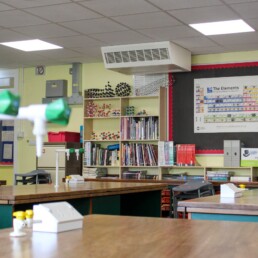
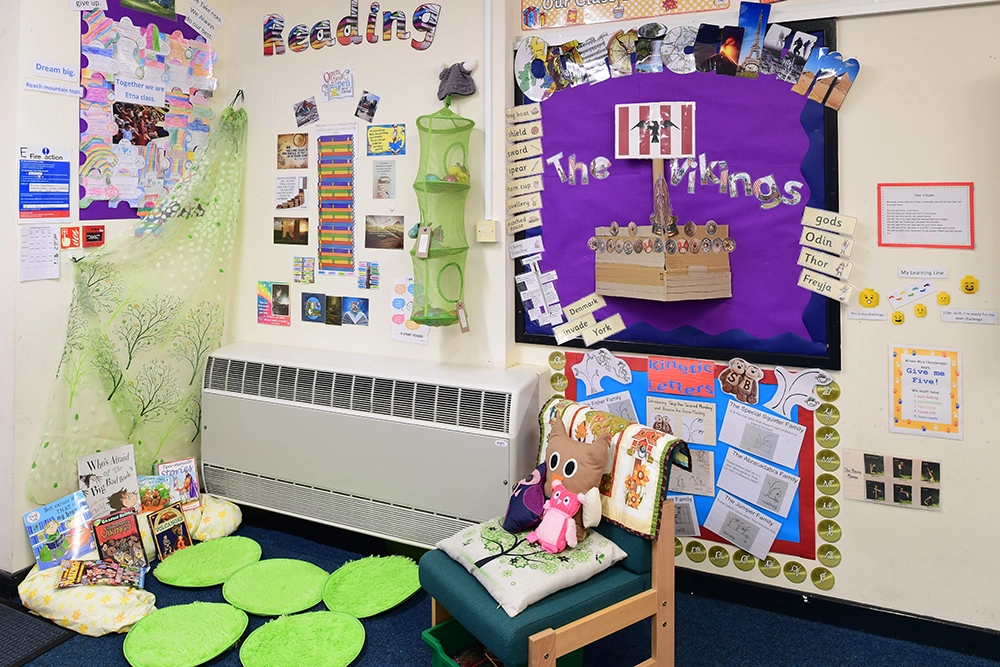
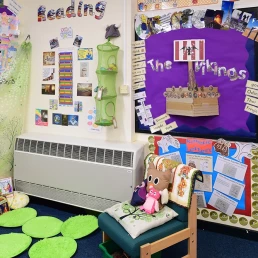
Classroom space is valuable. Large radiators can limit wall space for displays, furniture and storage, particularly in primary schools and flexible learning environments.
Fan Convectors provide high heat output from a compact unit, freeing up space and offering greater flexibility in room layouts. With a range of mounting options available, they can be integrated into classrooms without impacting how the space is used.
Why Fan Convectors Are Increasingly Used in Education Buildings
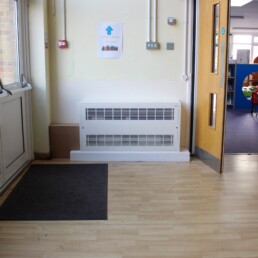
Fan convectors are being specified more frequently in schools because they offer a balance of performance, efficiency and control.
Key benefits include:
- Fast warm-up times, ideal for short occupancy periods
- Even air circulation for consistent temperatures throughout the room
- Compatibility with heat pumps and low-temperature systems
- Compact designs that reduce visual impact and free up space
Modern control options also allow temperatures to be managed effectively, helping schools avoid overheating and unnecessary energy use.
Built with Safety and Longevity in Mind
Safety is a key consideration in school environments. Low Surface Temperature (LST) Fan Convectors are available to ensure external surfaces remain cool to the touch, reducing the risk of burns in busy classrooms and circulation areas.
SPC Fan Convectors are also designed for long service life, with robust construction and easy access for routine maintenance. Filters and components can be accessed quickly, helping minimise disruption to teaching and learning.
Suitable for New Builds and Refurbishments
Every school building is different. Whether working on a modern new-build or upgrading an older property, heating systems need to adapt to existing constraints.
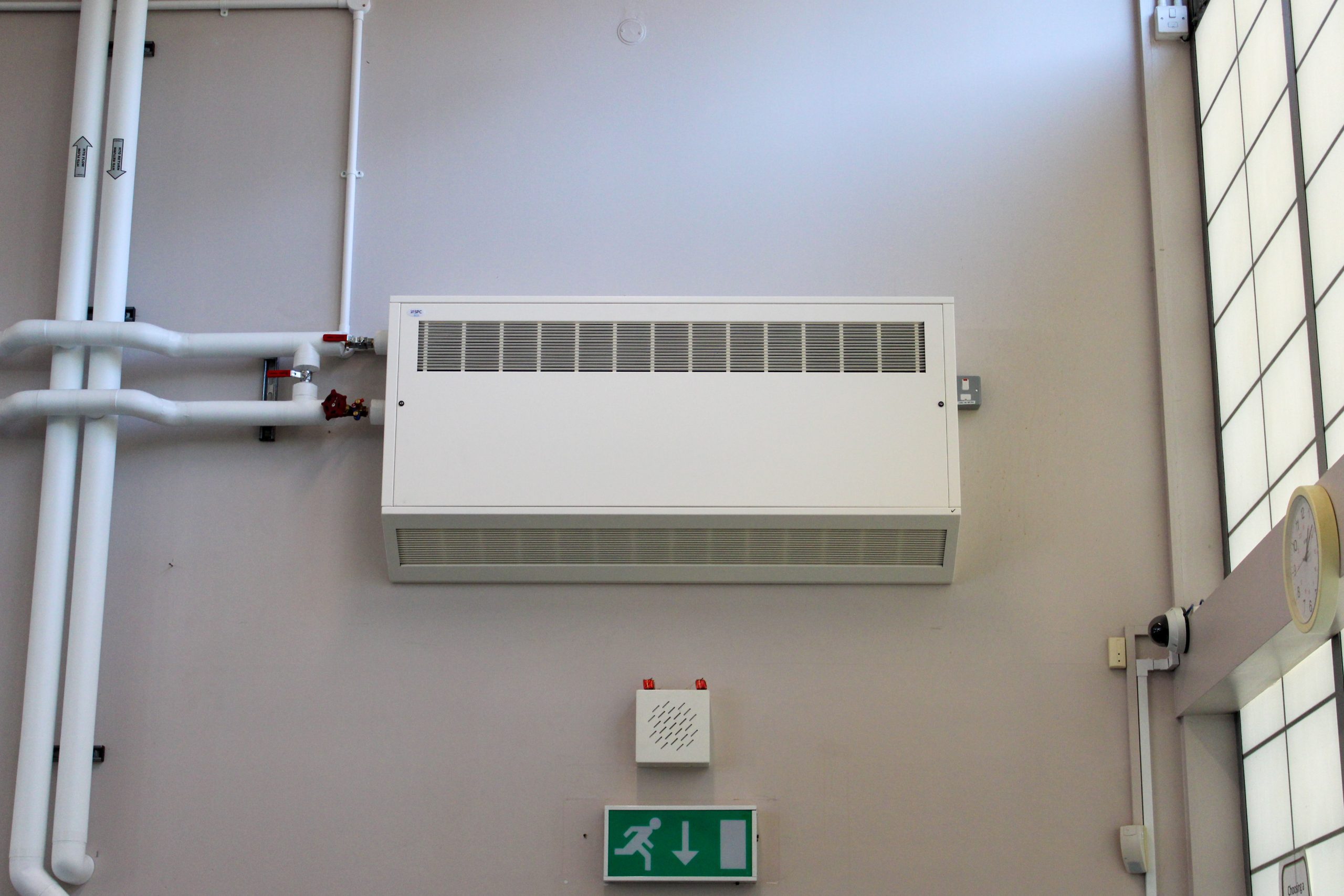
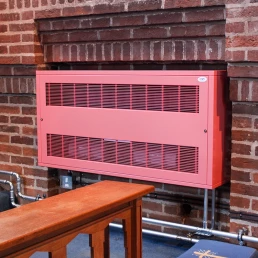
SPC Fan Convectors can be wall-mounted, ceiling-mounted or recessed, making them suitable for a wide range of education buildings, from primary schools to colleges and universities.
Supporting Education Projects from Specification to Installation
SPC works closely with consultants, contractors and estates teams to support school heating projects at every stage. From early-stage design advice to product selection and installation support, our focus is on delivering solutions that meet performance, safety and sustainability requirements.
If you’re planning a new school build or upgrading heating as part of a decarbonisation project, our team can help you select the right Fan Convector solution for your application.
Get In Touch
Our team can provide specification support and technical advice to help you select the right fan convector solution for your application.
Call us: 0116 249 0044
Email us: spc@spc-hvac.co.uk

Heat Pump Ready Fan Convectors for Educational Buildings
Built for Schools. Designed to Last.
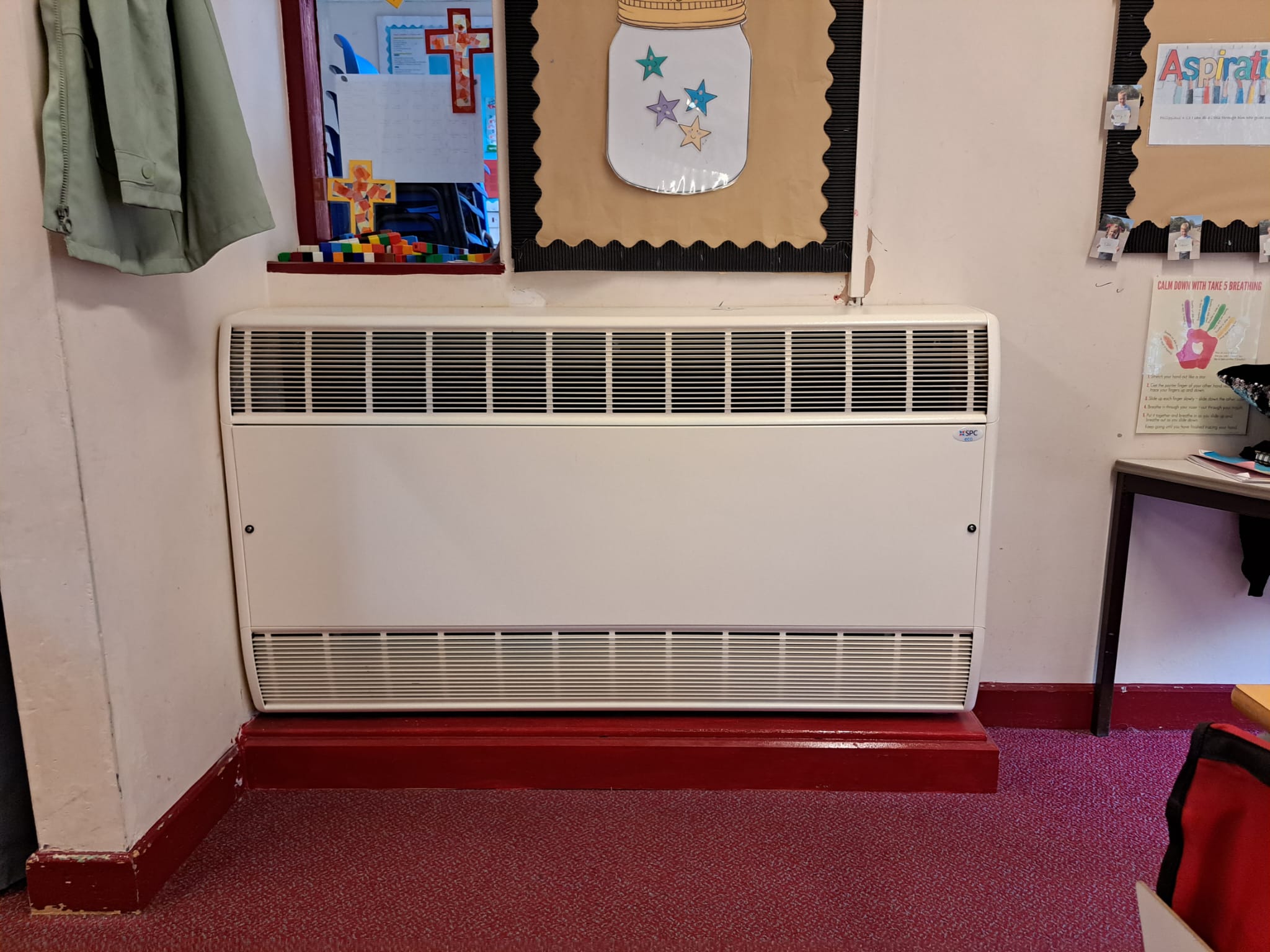
Belgravia Fan Convectors are a proven and trusted heating solution for educational environments across the UK. Designed with safety, durability and efficiency in mind, they are ideally suited to the demands of modern schools, colleges and universities.
Designed for Safety and Durability
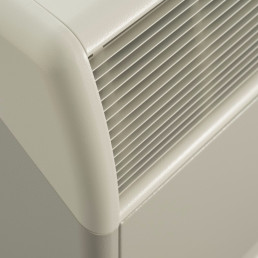
School environments require heating equipment that can withstand daily use while prioritising pupil and staff safety. Belgravia Fan Convectors feature an ergonomic, rounded design that eliminates sharp edges, helping to reduce risk in busy classrooms and corridors. Robust casings ensure long service life, even in high-traffic areas.
Discreet control options are available, including the ability to keep controls hidden within the unit casing, making them a practical and secure solution for educational settings.
Flexible Installation Options
Belgravia Fan Convectors offer a wide range of installation options, allowing them to be used across multiple applications within a school building. Their flexibility makes them suitable for both new builds and refurbishment projects, regardless of space constraints or layout.
Ideal for Low-Temperature Heating Systems
As schools increasingly move towards more energy-efficient heating strategies, Belgravia Fan Convectors are perfectly suited to low-water temperature (LTHW) systems. They work seamlessly with modern heat pumps, supporting decarbonisation goals while delivering reliable and consistent heat output.
Aesthetic and Practical Design
With a clean, modern appearance, Belgravia Fan Convectors blend effortlessly into educational spaces. Their aesthetic design ensures they complement classrooms, corridors and communal areas without compromising performance.
A Future-Ready Heating Solution for Schools
Combining safety, efficiency and longevity, Belgravia Fan Convectors provide a dependable, future-ready heating solution for education buildings of all sizes.



Get In Touch
Half-term is an ideal time to carry out planned Fan Convector installations with minimal disruption. Contact our team for specification support and technical advice.
Call us: 0116 249 0044
Email us: spc@spc-hvac.co.uk
Fan Convector Installations During Spring Half-Term
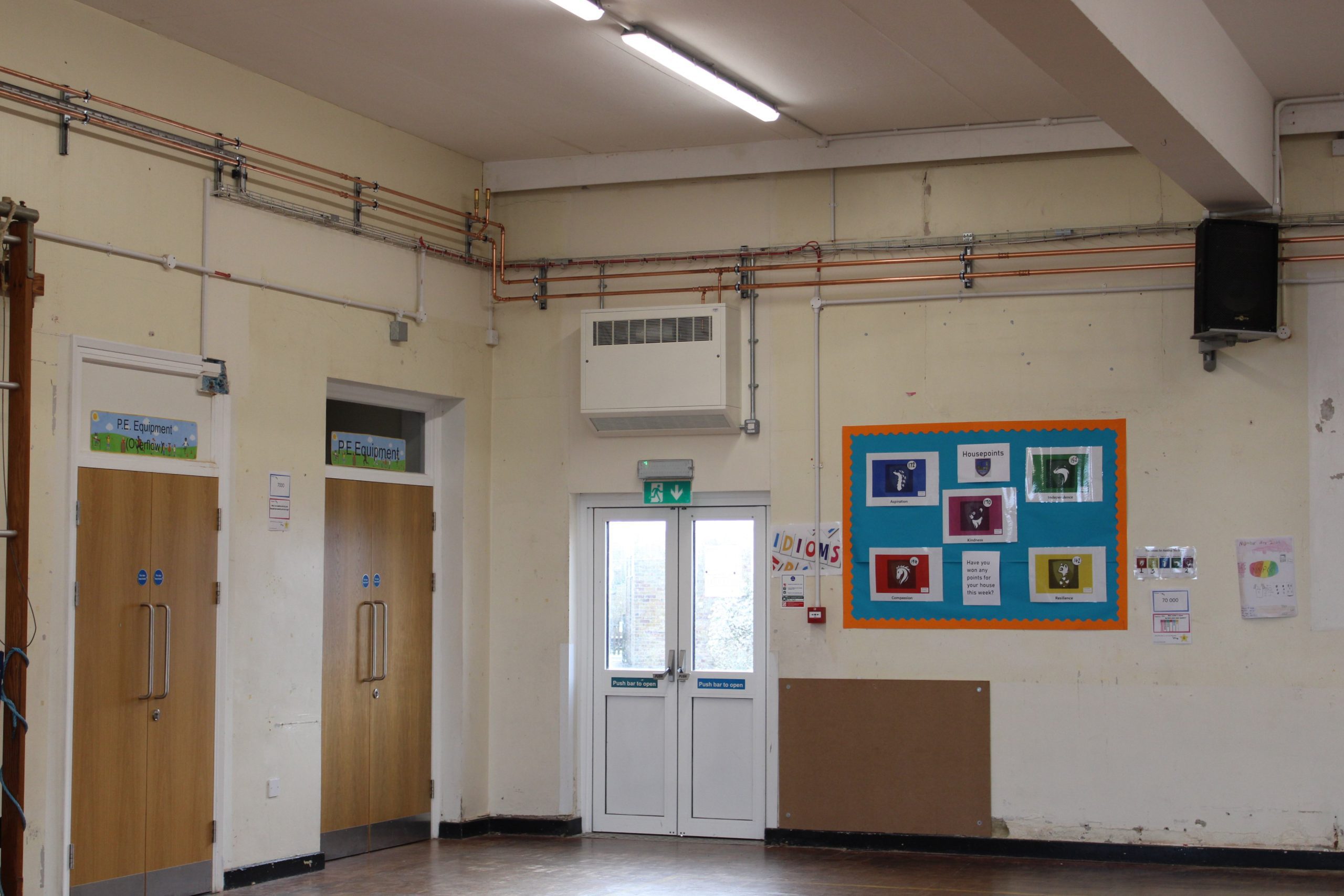
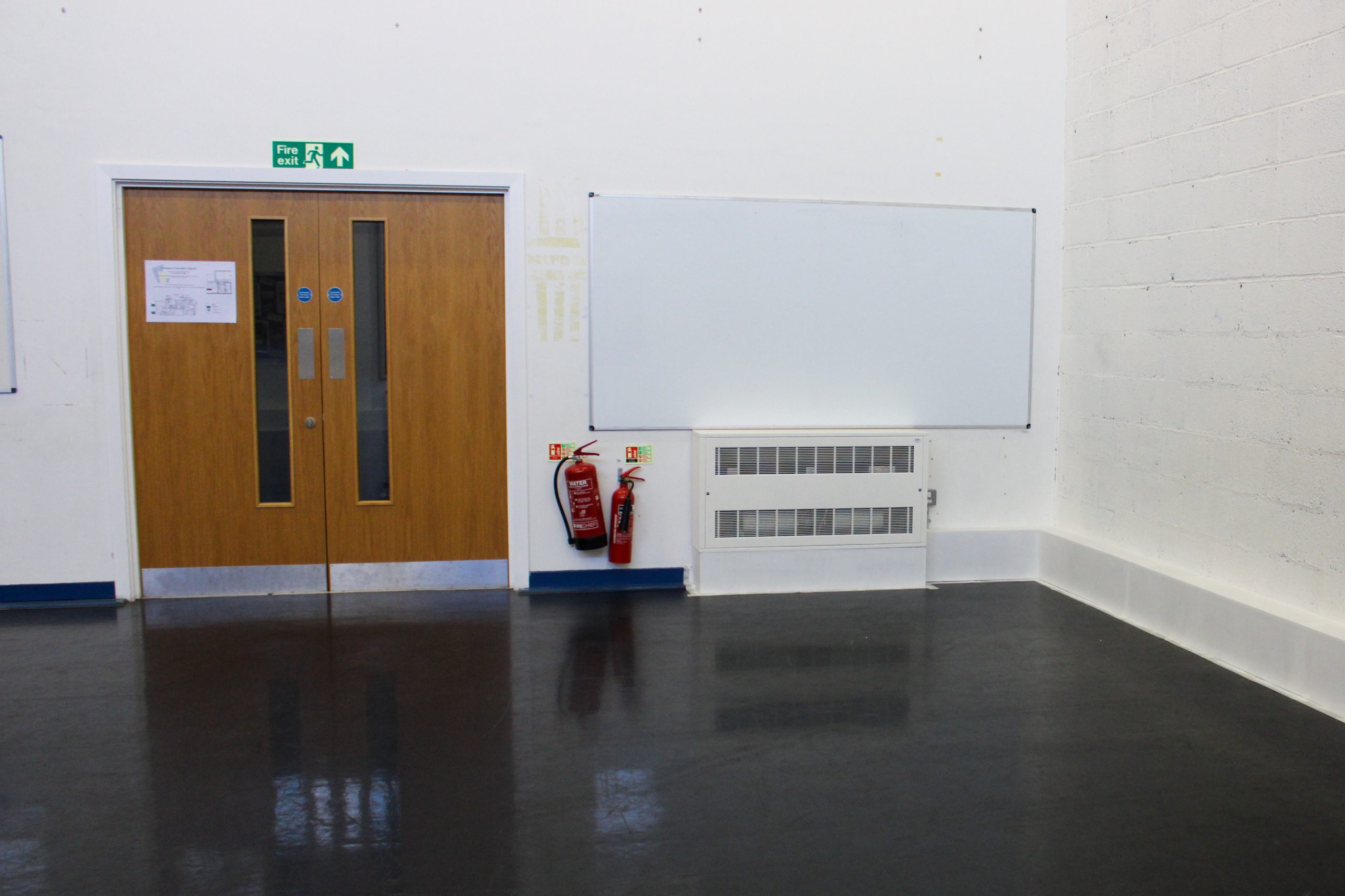
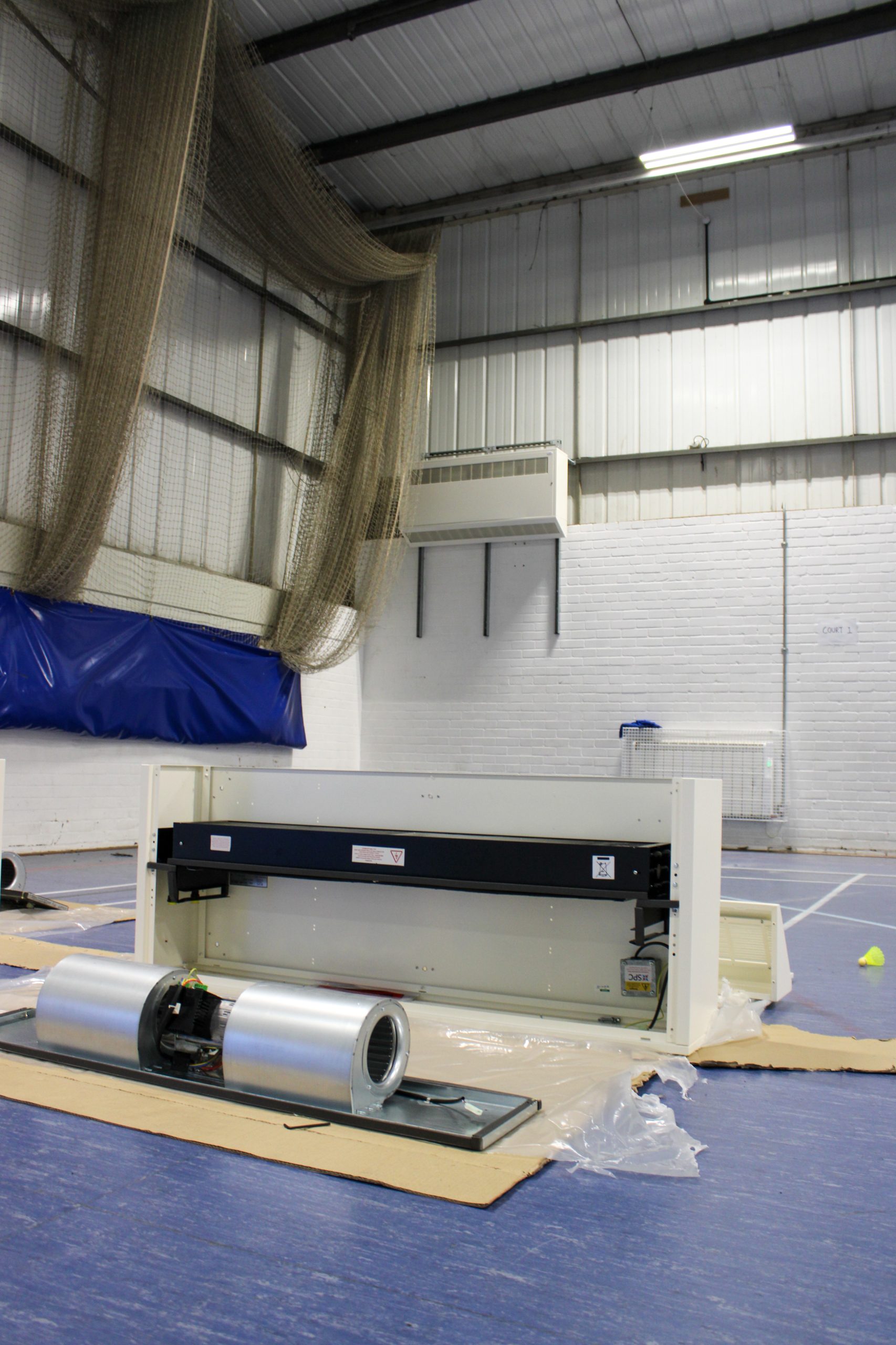
Spring half-term provides a valuable opportunity to install, upgrade, or replace Fan Convectors in schools and other occupied buildings. With reduced occupancy and improved access, works can be carried out efficiently while minimising disruption to daily activities.
For many estates and facilities teams, spring half-term is an ideal time to address comfort issues, ageing equipment, or planned refurbishment works, ensuring systems are ready for the remainder of the heating season and beyond.

Planning Your Installation
Effective planning is essential when working within a half-term timeframe.
Key considerations include:
- Lead times for manufacture and delivery
- Early specification and approvals, particularly in education settings
- Coordination with school calendars and contractors
- Budget sign-off and procurement processes
Engaging early helps ensure works can be completed within the available window.
Choosing the Right Fan Convector
Belgravia Supreme
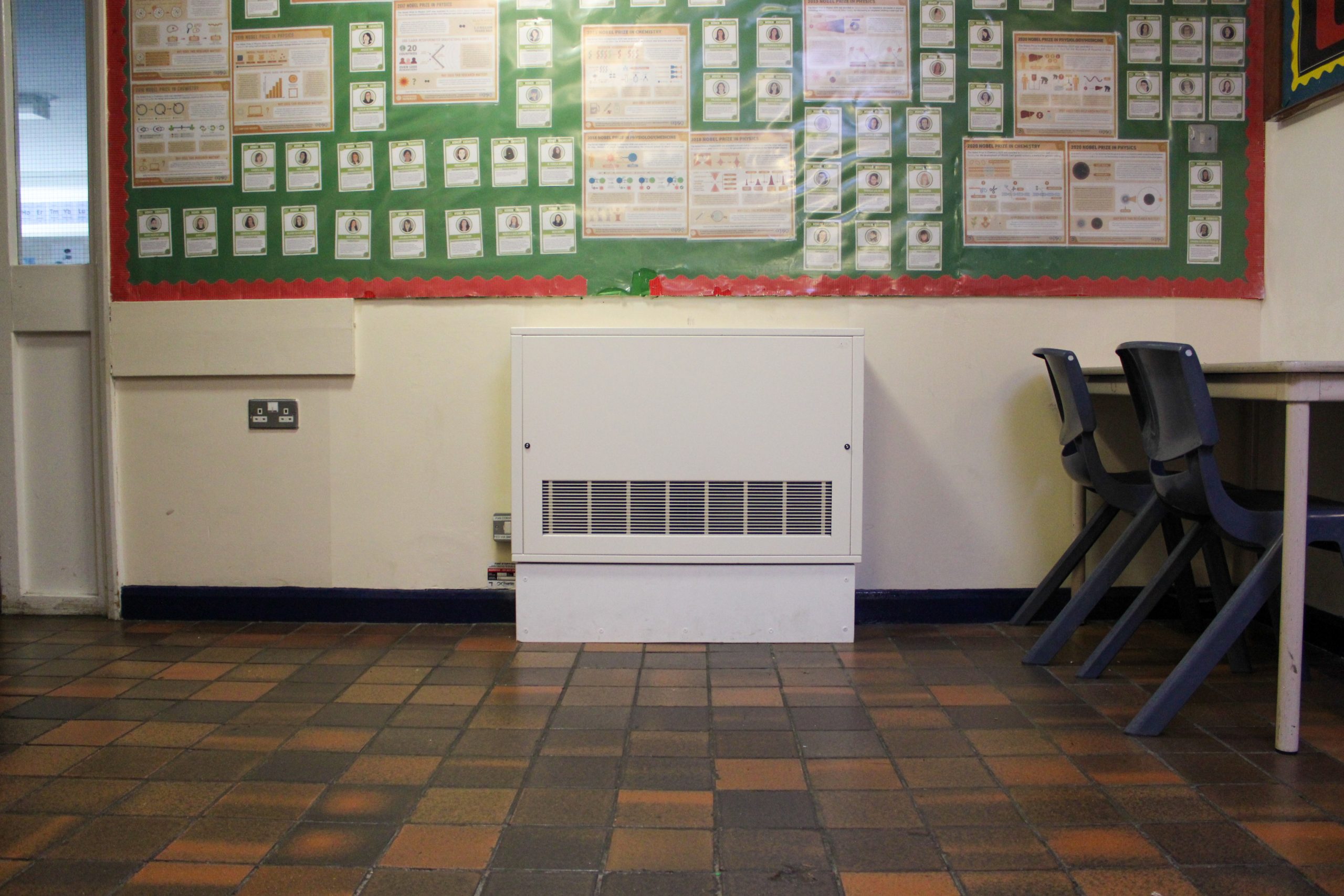
Belgravia Supreme units feature an ergonomically rounded casing with no sharp corners, making it well-suited to school environments. A robust construction ensures durability, with high outputs and options for LST, heat pumps, and fresh air dampers provide flexibility for modern system requirements.
Belgravia Classic
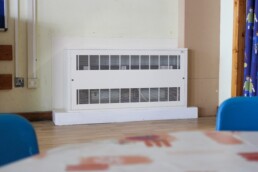
A long-established solution in schools, the Belgravia Classic offers a traditional design with a strong, hard-wearing casing. Available in multiple configurations, it delivers dependable performance, making it a cost-effective and proven choice.
Belgravia Tilevector
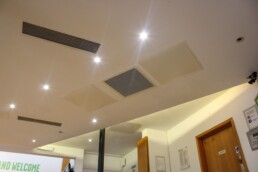
The Belgravia Tilevector is a ceiling-mounted Fan Convector designed to fit into standard suspended ceiling grids. Combining discharge and return air through a hinged grille, it provides efficient heat distribution while keeping floor and wall space clear. Heating outputs reach up to 9kW (LPHW) or 6kW (electric).
Correct sizing, noise levels, and system compatibility should always be considered at the specification stage.
SPC Support Services
SPC supports projects from initial enquiry through to commissioning, offering:
- Technical and specification advice
- Site surveys and on site support
- Installation and commissioning support
- Training for facilities and maintenance teams
Our team works closely with consultants, contractors, and estates teams to deliver reliable, compliant solutions.
Get In Touch
Half-term is an ideal time to carry out planned Fan Convector installations with minimal disruption. Contact our team for specification support and technical advice.
Call us: 0116 249 0044
Email us: spc@spc-hvac.co.uk

CPDs for Building Services Professionals: Why SPC’s Programme Stands Out
SPC’s CIBSE-approved CPD programme is built on practical experience, not just theory.
For over 50 years, SPC has been designing and manufacturing HVAC products for commercial buildings across the UK. That experience sits at the heart of every CPD we deliver, giving building services professionals the opportunity to learn directly from the people who design, develop, and manufacture the systems used on site.
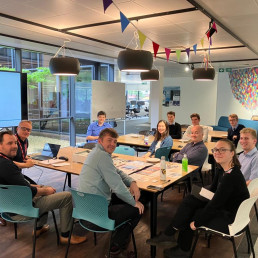
Our CPDs are well received nationwide, with many architects, consultants, and contractors choosing to return and attend multiple SPC sessions.

CPDs Shaped by Real-World Experience
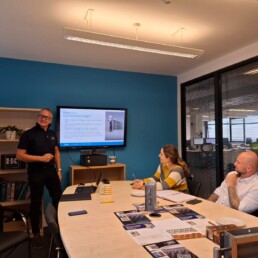
Because SPC is a manufacturer, our CPDs focus on how systems work in practice, from design and specification through to installation and long-term performance. Sessions are led by SPC’s sales team, who deal with projects and challenges every day.
The aim is simple: clear, relevant information in our CPDs that supports better decision-making and confident specification.
Our Current CPD Offerings


How to Book
Our CPDs are perfect over a light lunch for consultants, architects, engineers, and anyone looking to stay up-to-date with the latest innovations in HVAC.
Interested in booking a session for your team? Get in touch today!
Email – cpd@spc-hvac.co.uk
Call – 0116 249 0044