








Trench Heating & Cooling
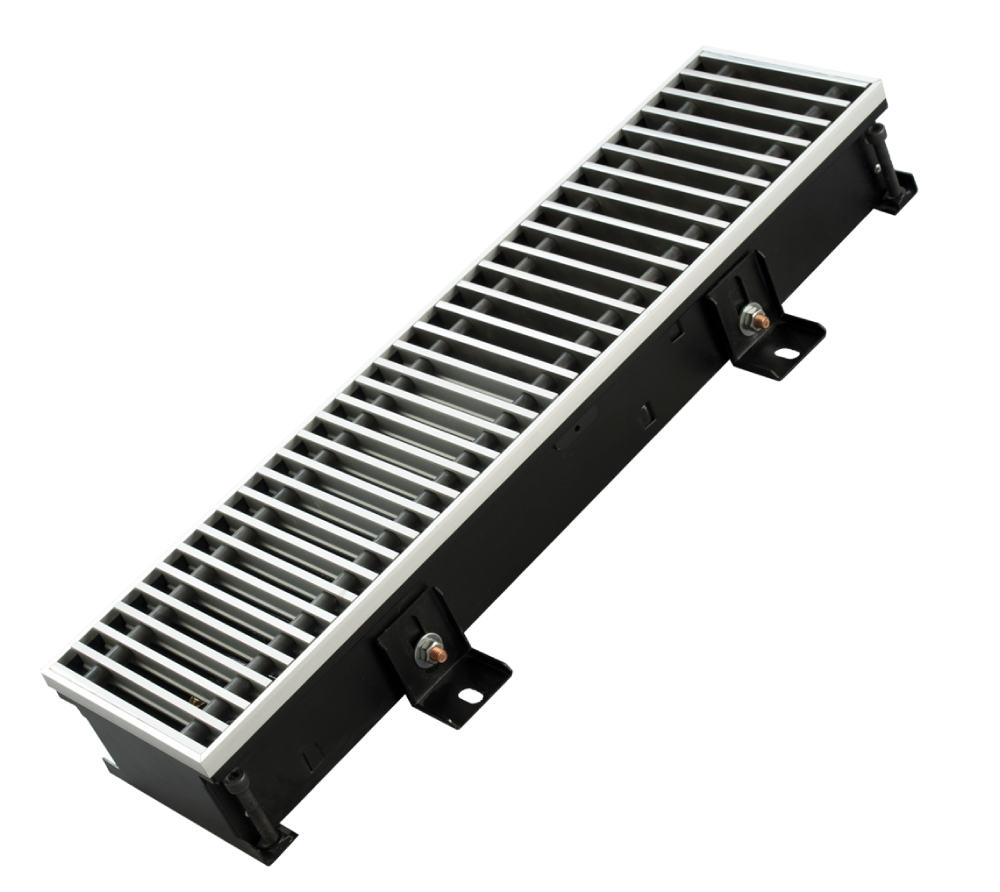
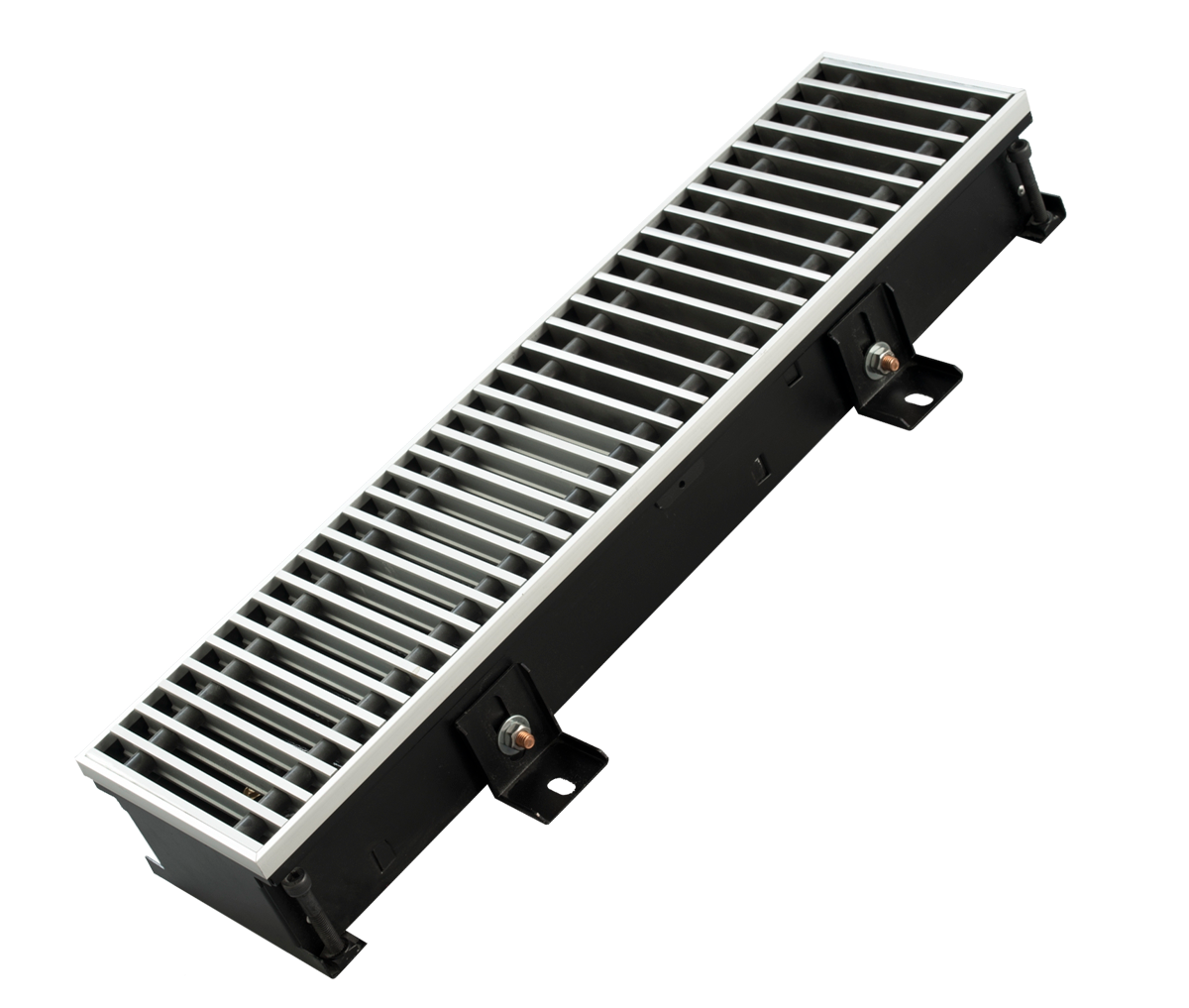
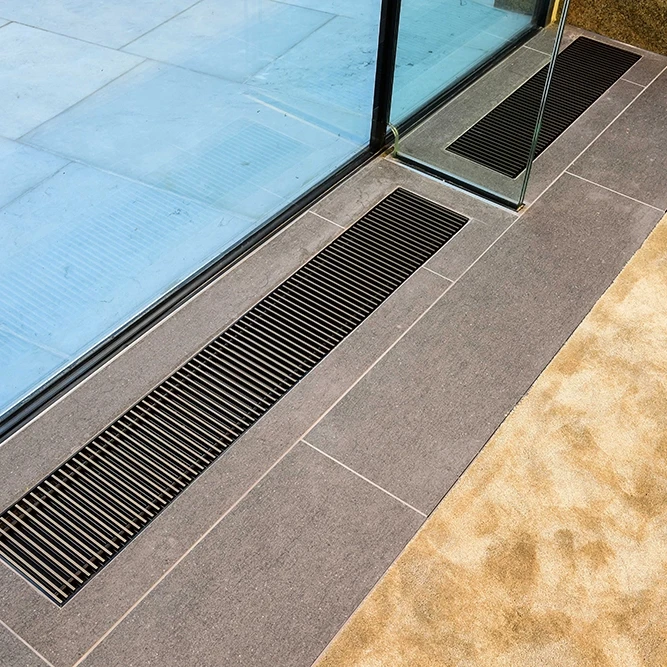
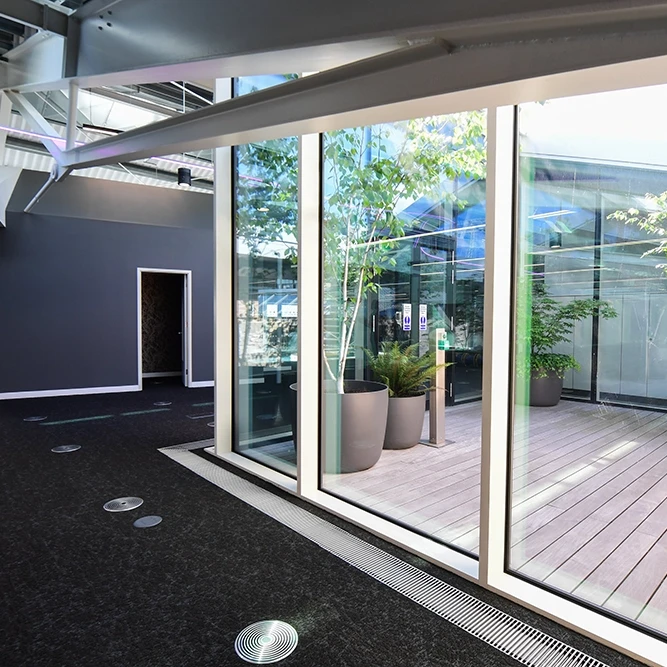
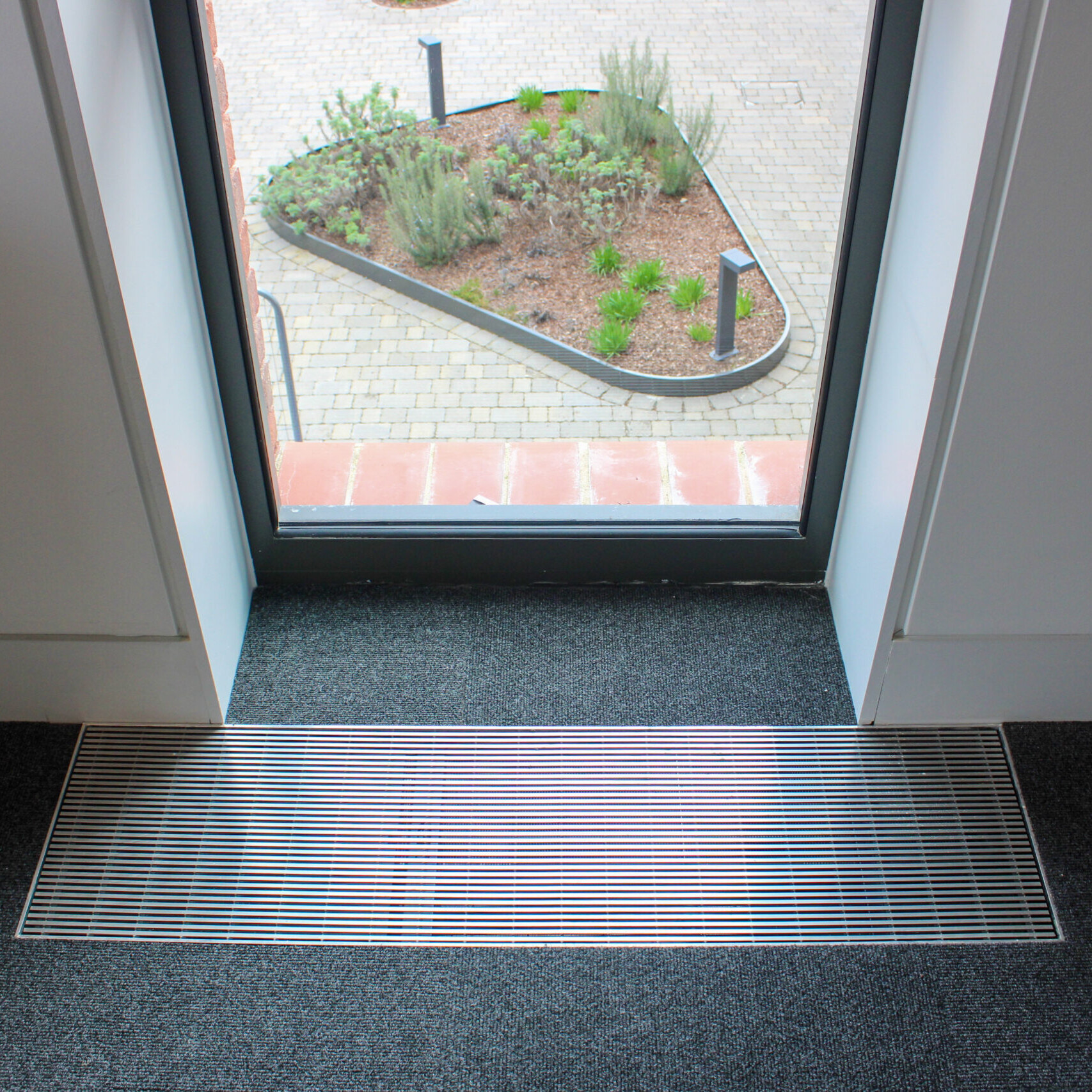
Buildings with large areas of glazing lose heat quickly in winter and gain it quickly in summer, and cold air falling from tall windows creates draughts at floor level even when the rest of the room feels warm. Trench heating and cooling units are recessed into the floor directly beneath the glazing, throwing a rising curtain of warm air upward to counteract this, or dry cooling in summer, without taking up any wall space or interrupting sightlines.
Trench Heating & Cooling
Buildings with large areas of glazing for natural daylight face challenges in maintaining a comfortable temperature. Trench Heating and Cooling units are a solution to heat losses and gains through glazing, combating solar gains and heat loss. We offer natural and powered trench heating and cooling units that are energy-efficient and suitable for both commercial and domestic use.
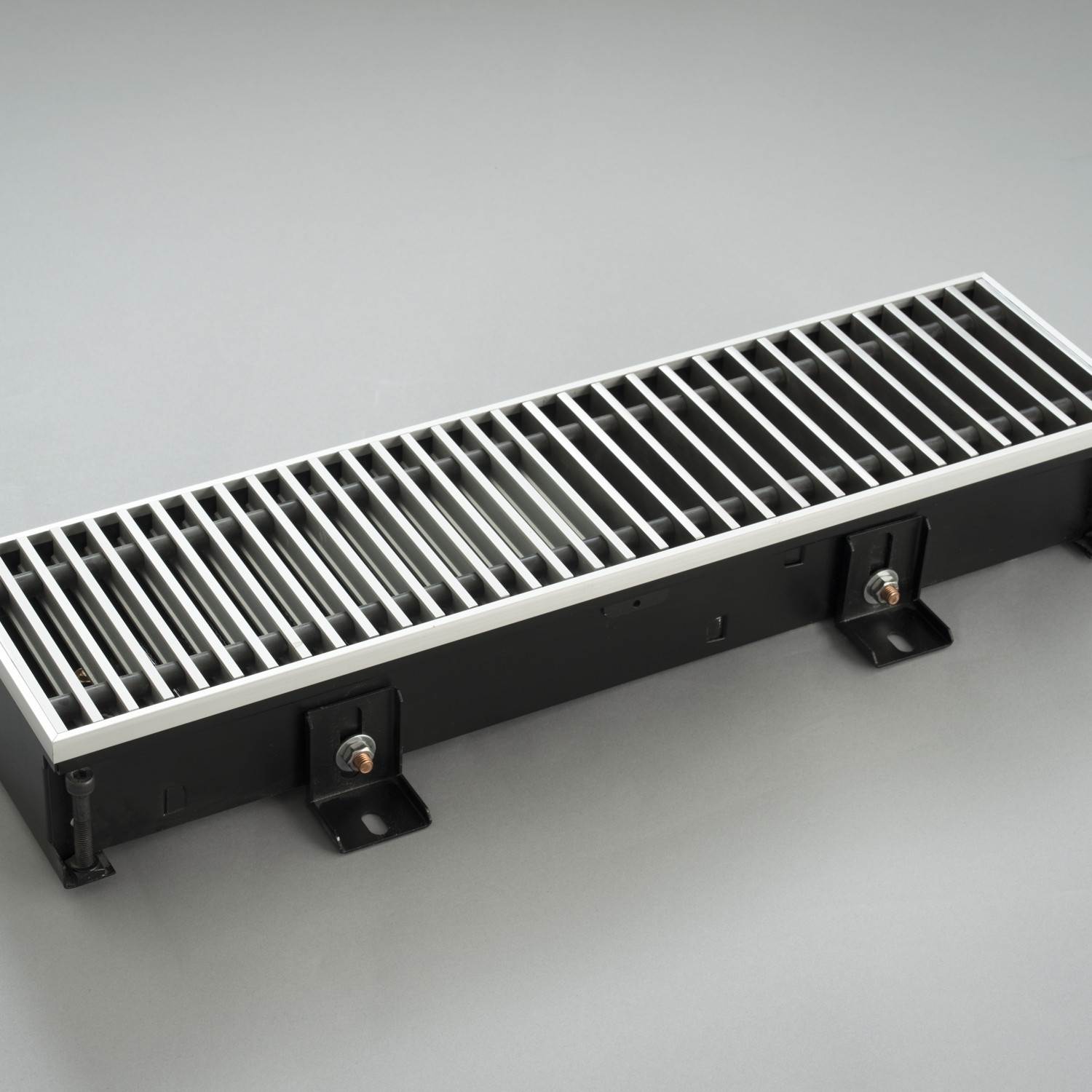
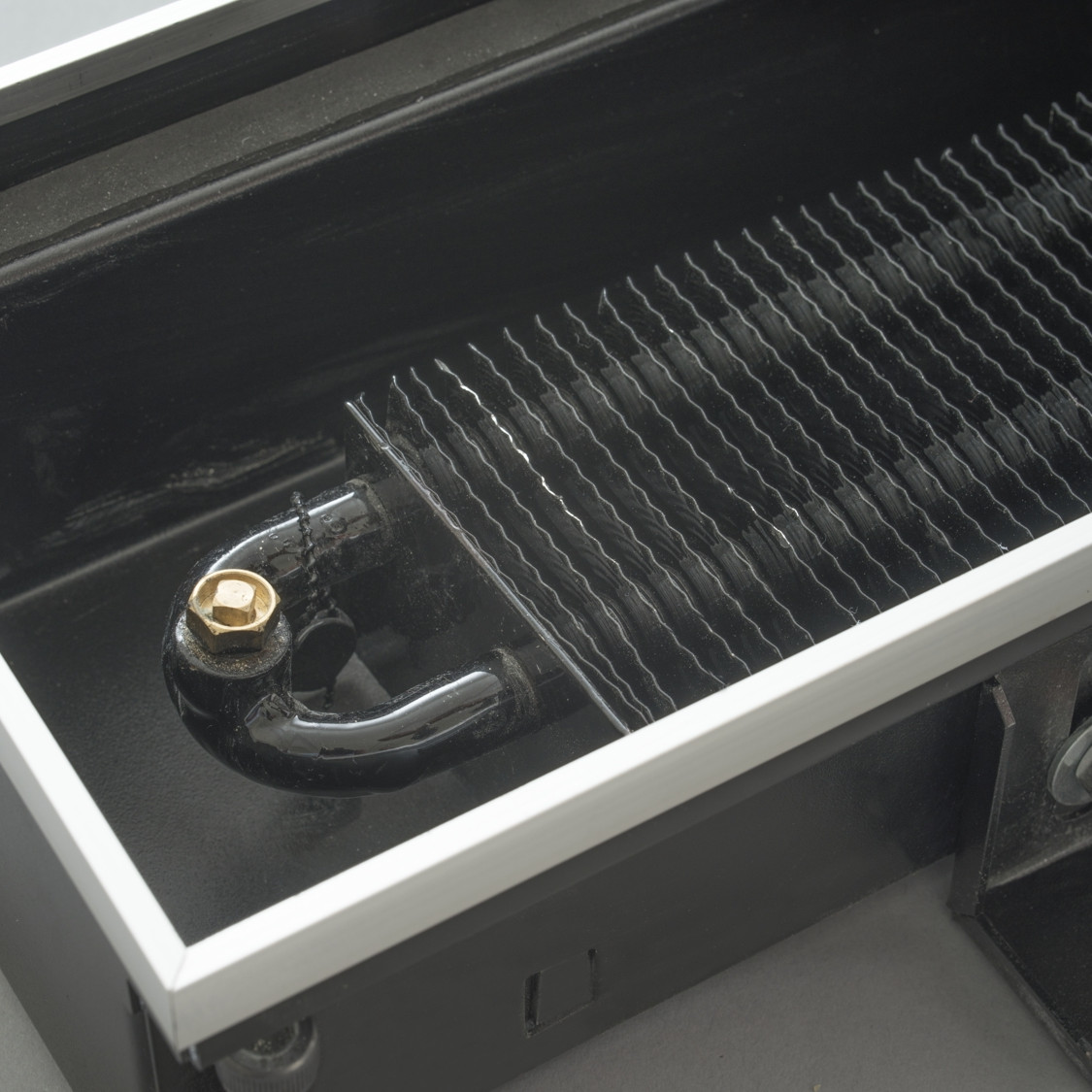
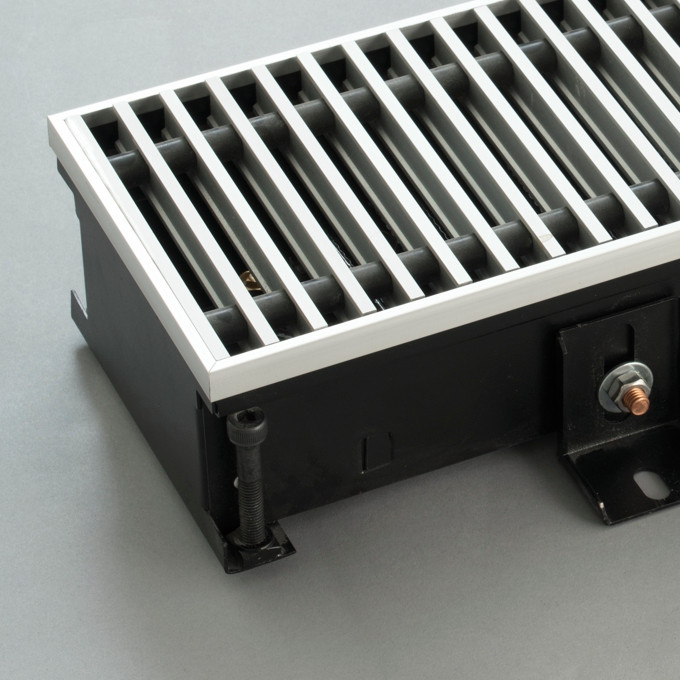
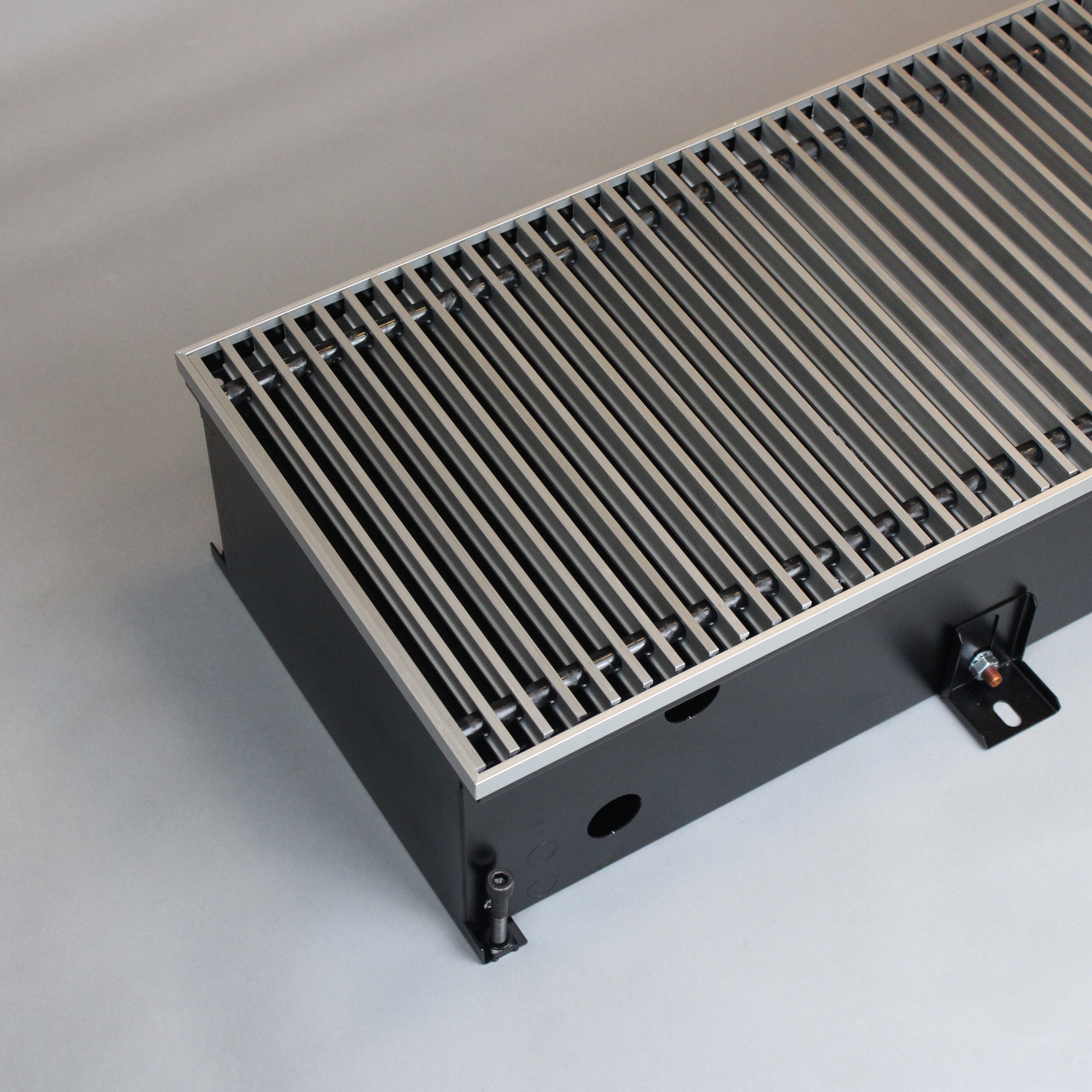
SPC’s Metropolitan trench range covers natural convection, fan-assisted, and electric units, giving specifiers a floor-recessed option to suit almost any building type and service arrangement. The newest addition, Metropolitan HC, provides fan-assisted heating and cooling from a single range with updated fans, motors and outputs, sitting alongside the existing Natural, Powered and Fan-Assisted Electric units.
All units are manufactured at SPC’s factory in Leicester, independently tested to BS EN 16430, and available in standard widths, heights and lengths, with bespoke solutions available where a project needs them.
Select a Product
Where is trench heating and cooling used?
Offices and reception areas
Trench units are installed beneath full-height glazing in entrance lobbies, reception areas and open-plan offices, countering cold downdraughts without any visible wall-mounted equipment or loss of usable floor space.
Hotels and hospitality
Restaurants, hotel lobbies and dining areas with floor-to-ceiling windows benefit from trench heating’s unobtrusive profile, keeping sightlines and interior design uninterrupted while maintaining comfort at the perimeter.
Residential and apartment developments
Trench units are used in residential schemes with large glazed areas, particularly in shared entrance spaces and apartments with floor-to-ceiling glazing, where wall space is limited or a wall-mounted radiator would compromise the design.
Commercial spaces with combined heating and cooling needs
Where a building needs both winter heating and summer cooling from the same glazed perimeter, powered and HC units provide both from a single trench installation, avoiding the need for separate systems.
When to specify trench heating and cooling
Specify when:
- Full-height or floor-to-ceiling glazing is present — trench units counter the cold downdraught this creates far more effectively than a perimeter radiator
- Wall space is limited or must stay clear — trench units are fully recessed into the floor, leaving walls completely free
- Heating and cooling are both needed from the same installation — the Powered and Metropolitan HC ranges support 2-pipe or 4-pipe configurations for combined heating and cooling
- A hot water heating system isn’t available — the Fan-Assisted Electric range provides trench heating from a standard 230V electrical supply instead
- A low-power, unobtrusive solution is sufficient — the Natural range provides passive convection heating without fans, for lower-output applications
Consider other SPC products when:
- The glazing isn’t floor-to-ceiling — a Fan Convector or radiant panel may be more appropriate and cost-effective where there’s no continuous glazed run to install beneath
- Ceiling space is preferred over floor space — our Tilevector fan convectors or ceiling-mounted radiant panels keep the floor and perimeter completely clear instead
Frequently Asked Questions
Natural trench units rely on passive convection, drawing room air across the heat exchanger without a fan. Powered units use crossflow EC/DC fans to actively drive air through the heat exchanger, giving higher, more consistent output and better controllability. Powered units are specified where enhanced heat output is needed; Natural units suit lower-output applications where a fully passive, silent solution is preferred.
Yes. The Metropolitan Powered and Metropolitan HC ranges are available in 2-pipe or 4-pipe configurations, allowing the same trench installation to provide both heating and cooling depending on the season, or simultaneously in the case of 4-pipe units.
Yes. The Metropolitan Fan-Assisted Electric range replaces the low temperature hot water heat exchanger with a 230V electric element, making trench heating available in buildings without LTHW pipework or a boiler/heat pump supply.
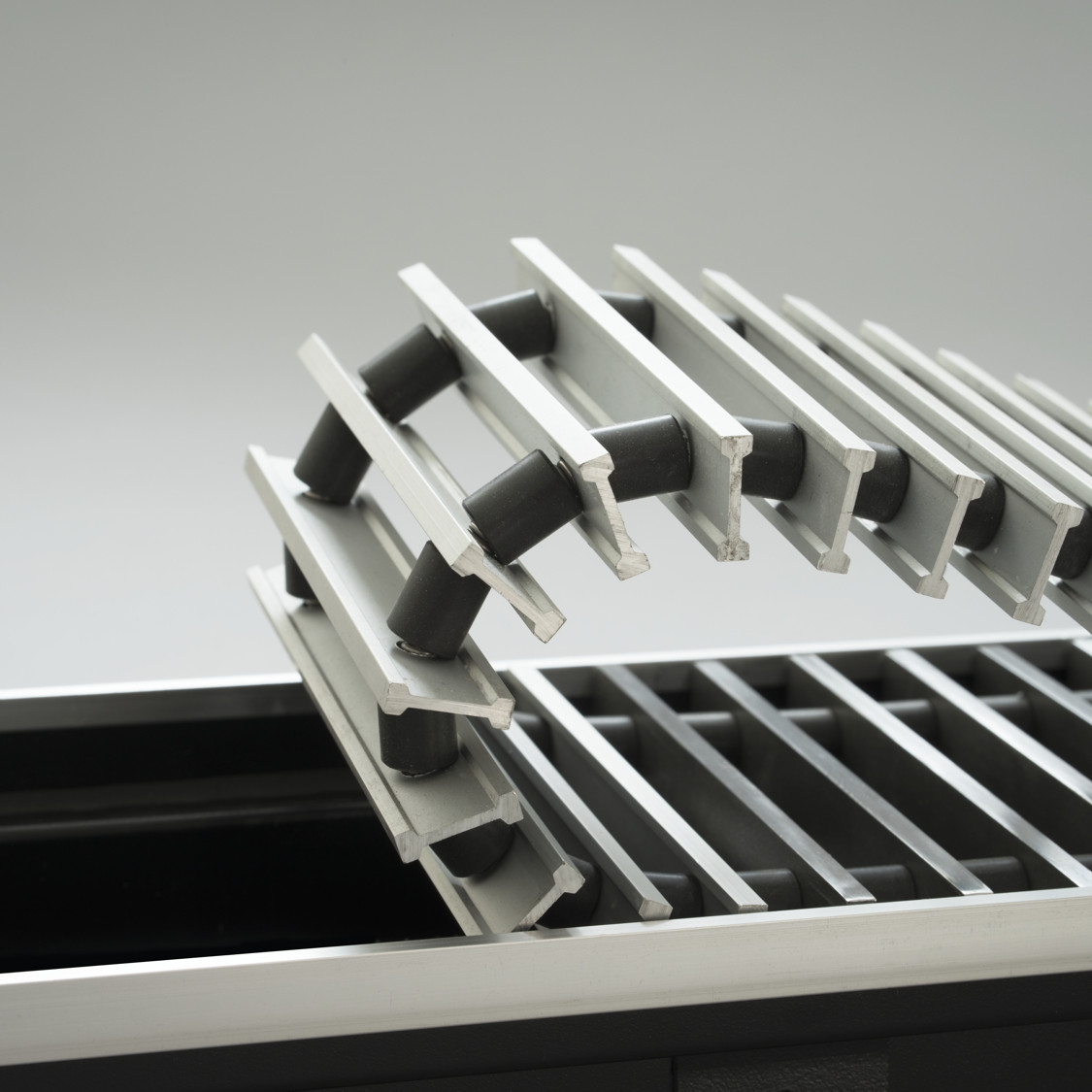
Yes. Metropolitan trench units can be installed in either suspended/hollow floors or solid concrete floors, with adjustable support feet and levelling screws to keep the unit flush with the finished floor level in either case.
Metropolitan HC is the newest addition to SPC’s trench range: a fan-assisted heating and cooling unit with updated fans, motors and outputs, available in heating-only, cooling-only, or 2-pipe/4-pipe combined configurations across four sizes. Standard lengths run from 900mm up to 3,000mm (900, 1200, 1500, 2000, 2300, 2600 and 3000mm), with non-standard lengths available on request.