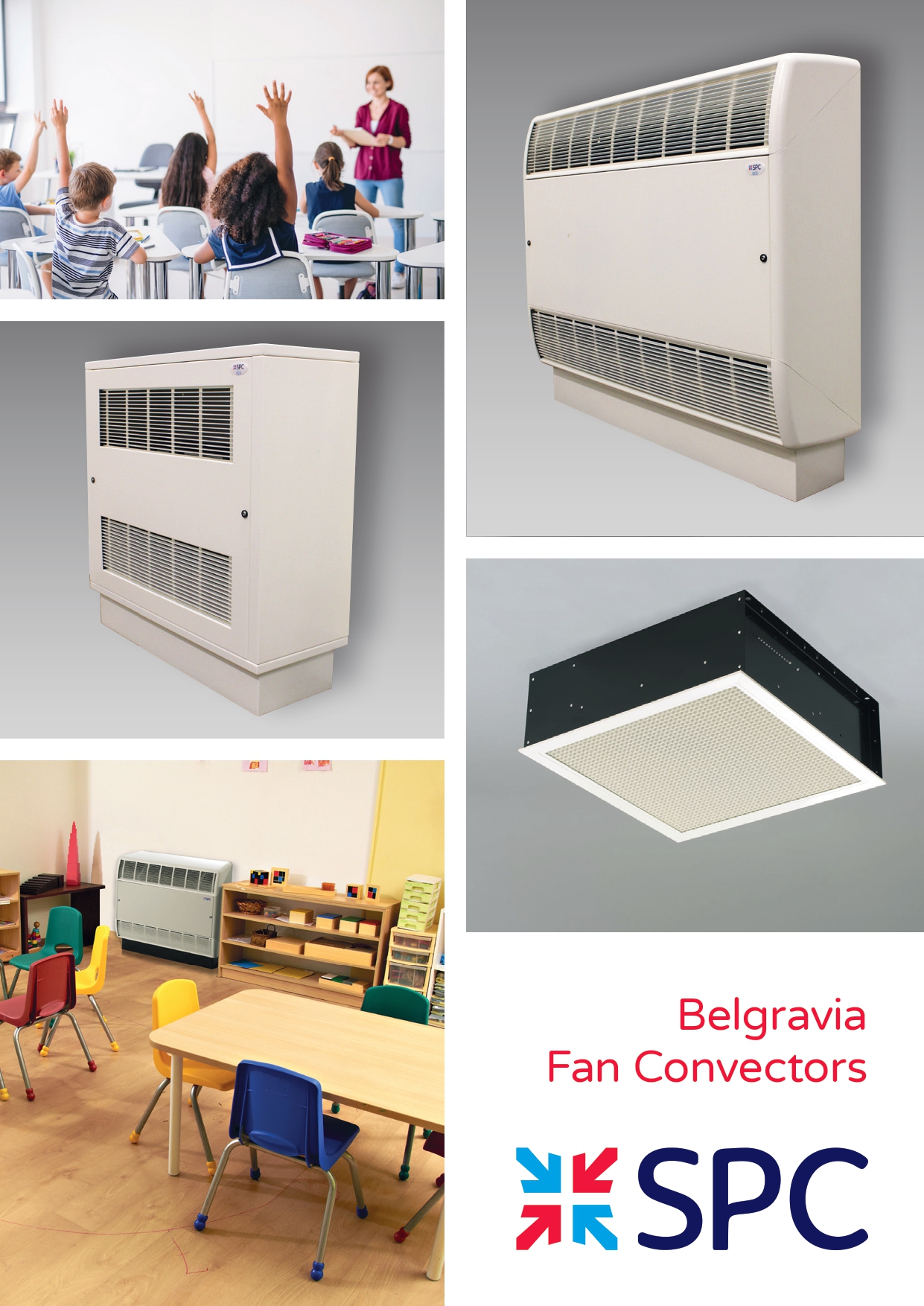

Belgravia Tilevector Fan Convectors
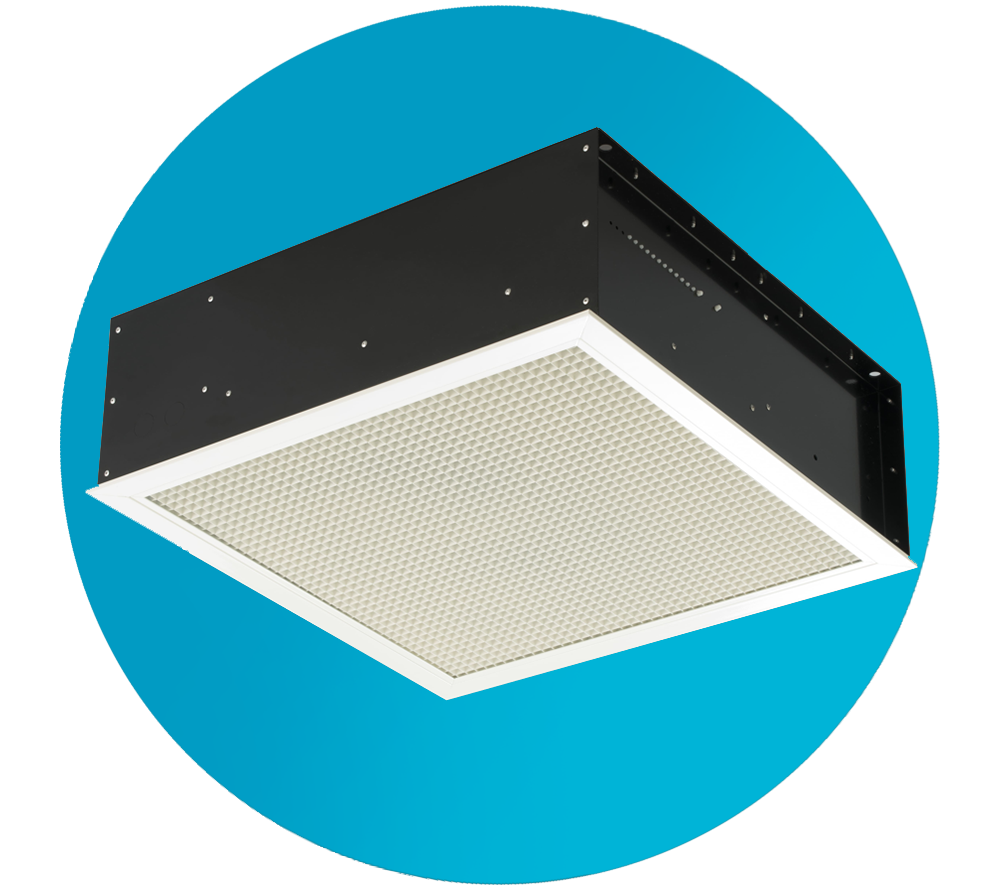
The Belgravia Tilevector is a ceiling-mounted fan convector designed to fit neatly into standard 600mm x 600mm T-bar suspended ceiling grids, as well as plasterboard ceilings. Units can also be suspended from solid ceilings where required.
The range is available in four variants to suit different room sizes and system types:
- Tilevector Solo – single-tile unit for standard hot water systems
- Tilevector Duo – double-tile unit for larger spaces on standard systems
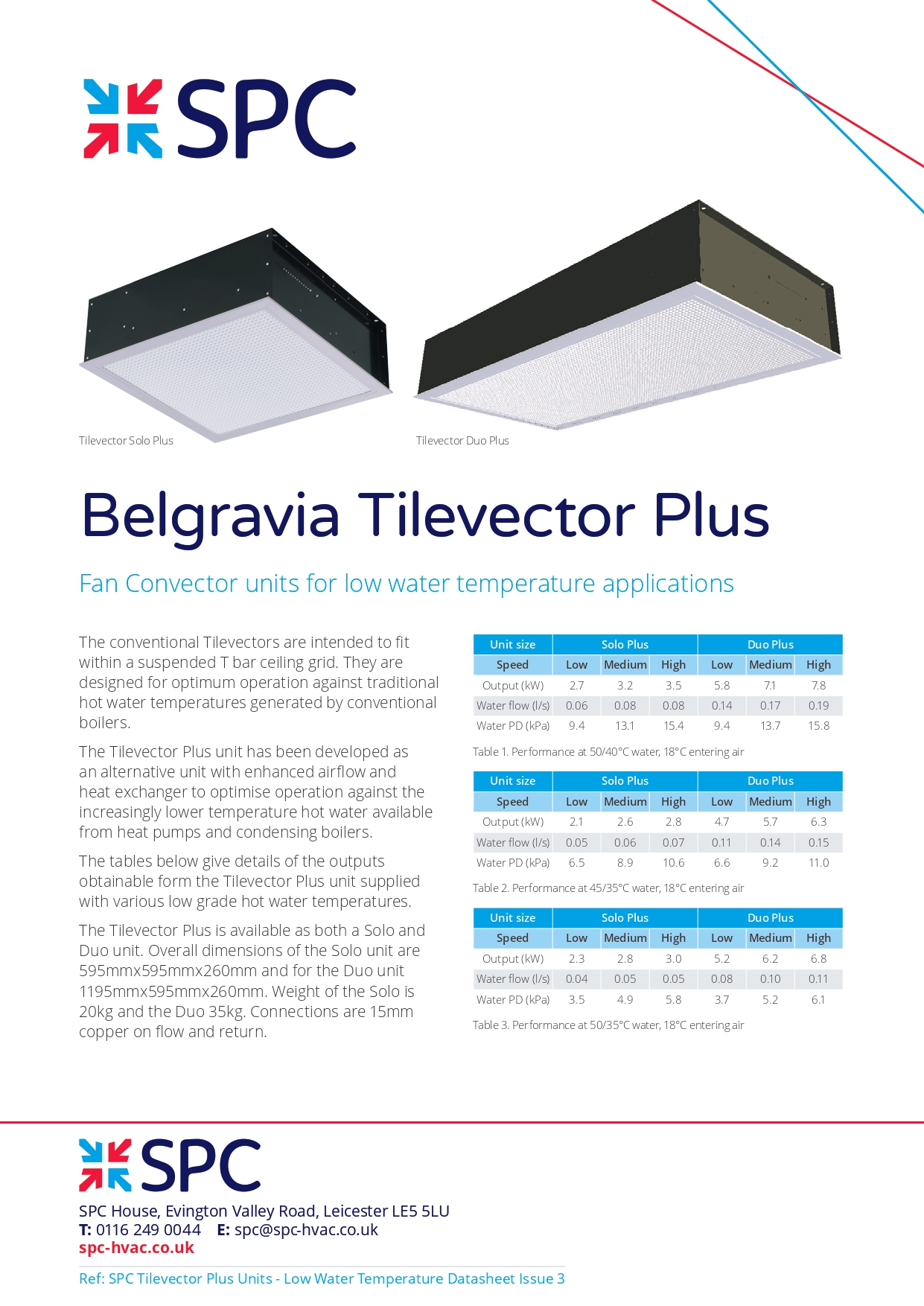
- Tilevector Solo Plus – single-tile unit with enhanced coil and airflow, optimised for heat pump and low temperature hot water (LTHW) systems
- Tilevector Duo Plus – double-tile unit with enhanced coil and airflow, optimised for heat pump and LTHW systems
Belgravia Tilevector Plus Range
The Plus variants feature an increased depth (260mm vs 210mm for standard units) to accommodate a larger heat exchanger, delivering significantly greater output at the lower flow temperatures typical of heat pumps and condensing boilers.
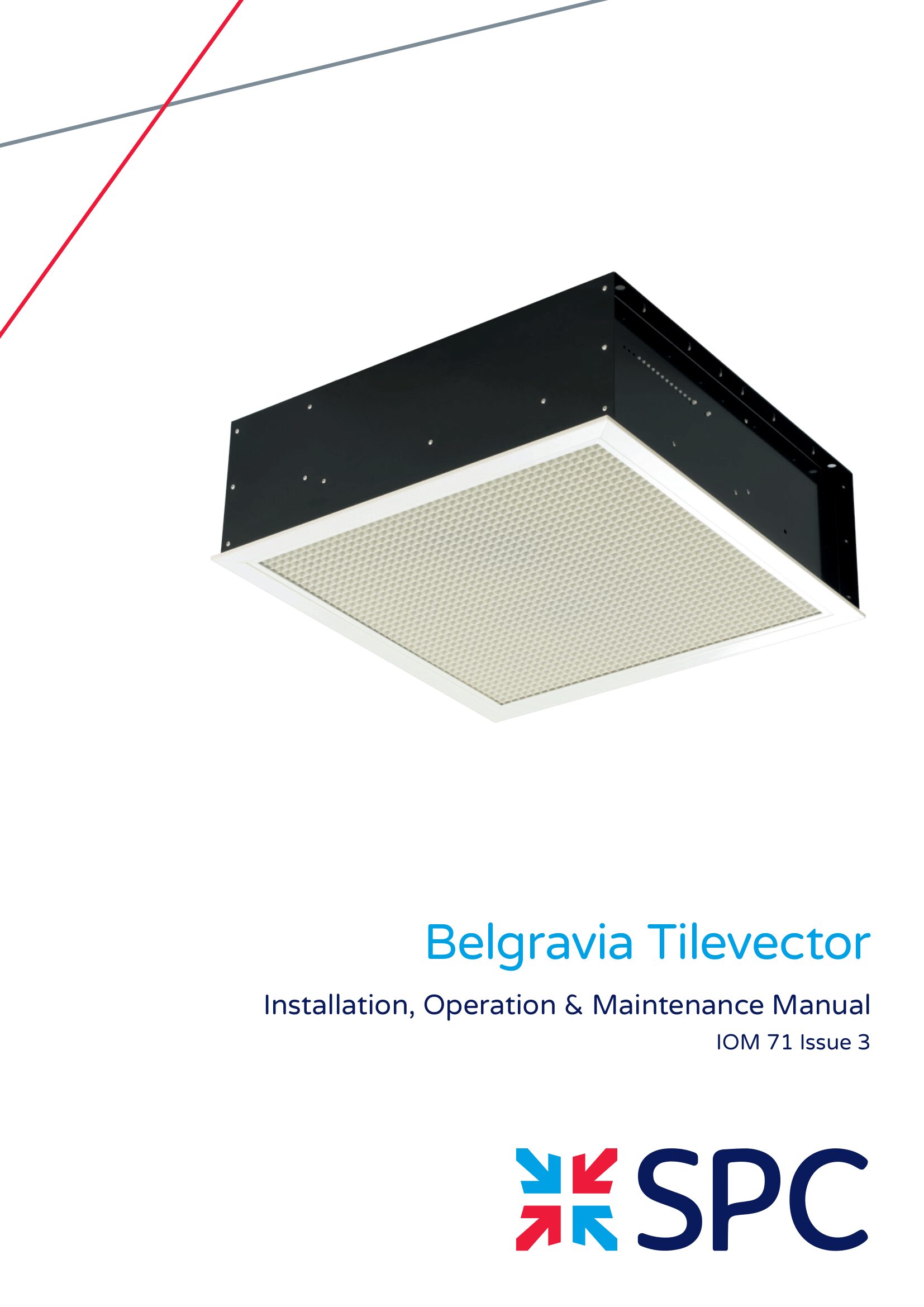
Tilevector Solo
Suitable for integration into a typical suspended ceiling grid. Unit size: 600mm x 600mm.

Tilevector Duo
Suitable for integration into a typical suspended ceiling grid. Unit size: 600mm x 1200mm.

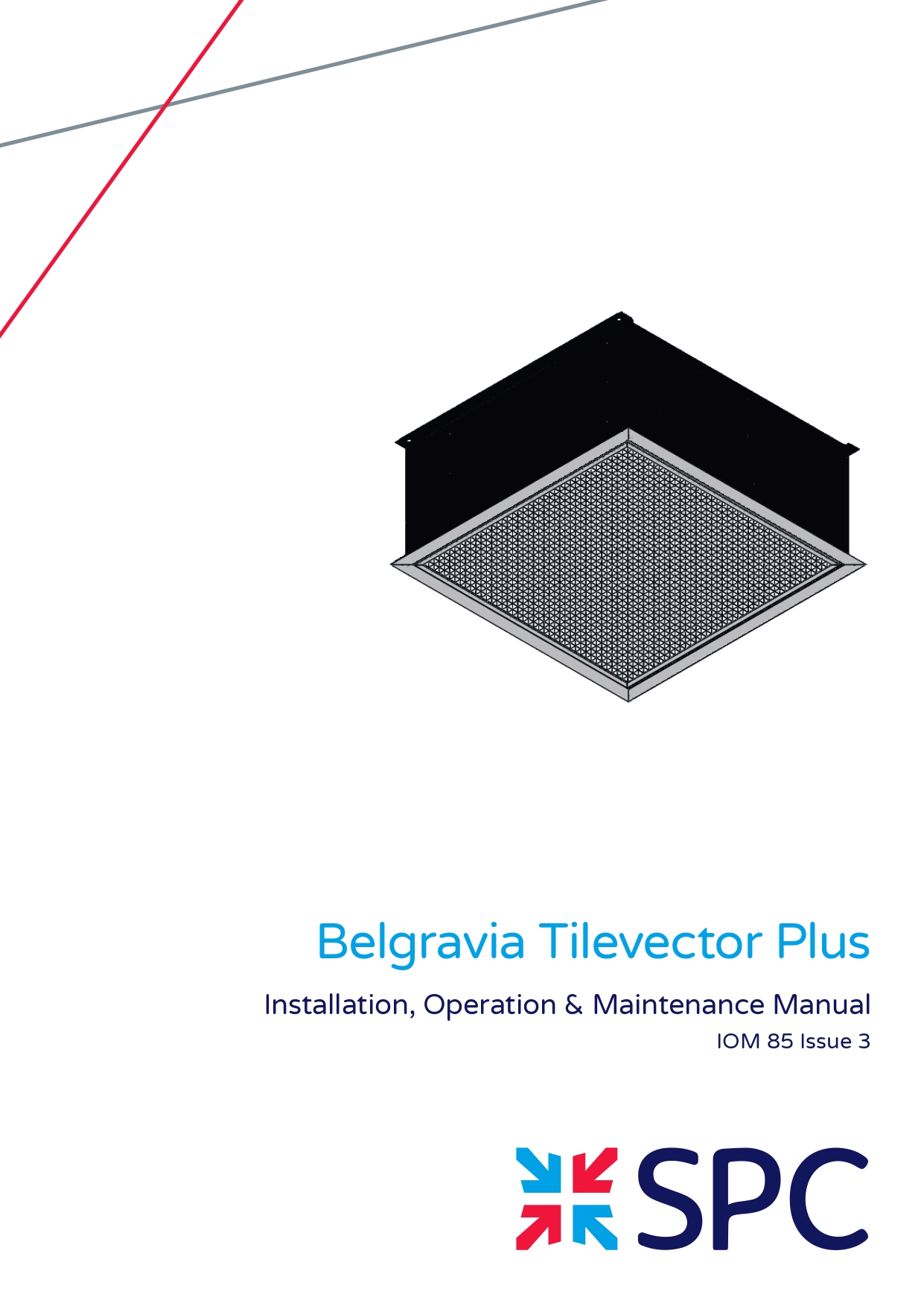
Tilevector Plus
The Tilevector Plus range has been developed with an enhanced heat exchanger and increased airflow to optimise performance at the lower water temperatures produced by heat pumps and condensing boilers.
The Tilevector Plus is available in both Solo and Duo units. Overall dimensions of the Solo unit are 595mm x 595mm x 260mm, and for the Duo unit, 1195mm x 595mm x 260mm. The weight of the Solo Plus is 20kg, and the Duo Plus is 35kg. Connections are 15mm copper on flow and return.
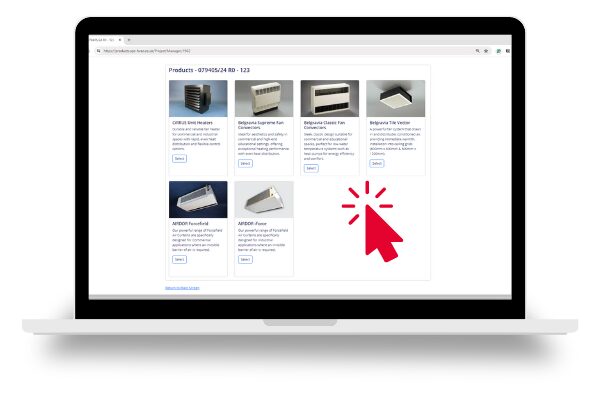
New Online Product Configurator!
Products included in our product configurator:
Belgravia Fan Convectors, Belgravia Tilevectors, Forcefield Air Curtains, iForce Industrial Air Curtains and CiRRUS Unit Heaters
Frequently Asked Questions
The Solo is a single 595mm × 595mm ceiling tile unit designed to fit into a standard suspended ceiling grid (600mm x 600mm). The Duo is a double-width unit (1195mm × 595mm) offering higher output in the same ceiling grid layout. Both Solo and Duo are designed for boiler supply temperatures around 80°C. The Tilevector Solo Plus and Duo Plus are heat pump-specific variants with an enhanced heat exchanger and increased airflow, optimised for low water temperatures (45–50°C) from heat pumps or condensing boilers. If you’re connecting to a heat pump system, specify the Plus. For traditional boiler systems, Solo or Duo, depending on output requirements.
The standard Tilevector coil is designed for boiler supply temperatures around 80°C. At heat pump flow temperatures of 45–50°C, the standard unit will produce insufficient output. For heat pump systems, you must specify the Tilevector Plus, which has an enhanced heat exchanger and higher airflow specifically developed for low temperature operation. The Plus maintains meaningful heat output at 45–50°C without requiring excessive flow rates or oversized pipework.
Tilevectors are ideal when wall space is unavailable, limited, or reserved for other purposes (windows, doors, storage, whiteboards, display screens). They’re particularly common in offices, meeting rooms, classrooms, and retail spaces with suspended ceilings where all walls need to remain clear. The ceiling-mounted position also makes them suitable for areas with heavy foot traffic where wall-mounted units could be damaged or obstructed. Tilevectors integrate into the ceiling grid with no visible pipework, making them a clean, discreet solution.
Tilevectors are designed primarily for standard T-bar suspended ceiling grids with 600mm × 600mm tile spacing, which is the most common commercial ceiling system in the UK. They can also be installed in plasterboard ceilings (with appropriate structural support and access for maintenance) or suspended from a solid ceiling using the mounting brackets provided. The unit must be accessible for filter cleaning and maintenance, so it’s not suitable for sealed or inaccessible ceiling voids.
Yes — the hinged grille provides easy access to the internal filter, which should be cleaned or replaced regularly depending on the environment. In typical office or classroom applications, inspect the filter every 3–6 months. In dusty or high-occupancy environments, check more frequently. The filter is essential for maintaining airflow and heat output, and a blocked filter will reduce performance significantly. The coil and fan should also be inspected annually as part of routine HVAC maintenance.